Finding the Right Chair Height for Your 36-Inch Table
So, you’ve got a 36-inch table and you’re wondering about chairs. It’s a common question, and getting it right makes a big difference for comfort. We’ve looked into this, and the answer is pretty straightforward.
For a table that’s 36 inches from the floor to the tabletop, the best chair seat height is typically between 24 and 26 inches. This range is your sweet spot. It allows for comfortable legroom for most people. It’s about creating a space where you can sit without feeling awkward or cramped.
The Magic Number: Legroom and Comfort
Why this specific height range? It all comes down to legroom. Experts generally recommend a chair-to-table gap of about 10 to 12 inches between the top of the chair seat and the underside of your table. This space is just enough for your legs to tuck under comfortably when you’re seated.
Think about it this way: if your chairs are too tall, your knees might hit the underside of the table. If they’re too short, you might feel like you’re sitting too low, making it hard to reach the table surface. This 10-12 inch buffer is what makes a seating arrangement feel just right.
Understanding Table and Chair Dimensions
Your 36-inch table is likely a counter-height table. These are taller than standard dining tables but shorter than bar-height tables. Knowing this helps you narrow down your chair options right away.
Standard dining tables are usually around 30 inches high. This means chairs for 30-inch tables, which typically have a seat height of 18-20 inches, work well. For your 36-inch table, you’ll need something taller than a standard dining chair.
Common Chair Types and Their Suitability
Let’s break down the types of seating you might consider and see how they fit.
Counter Stools: Your Likely Best Bet
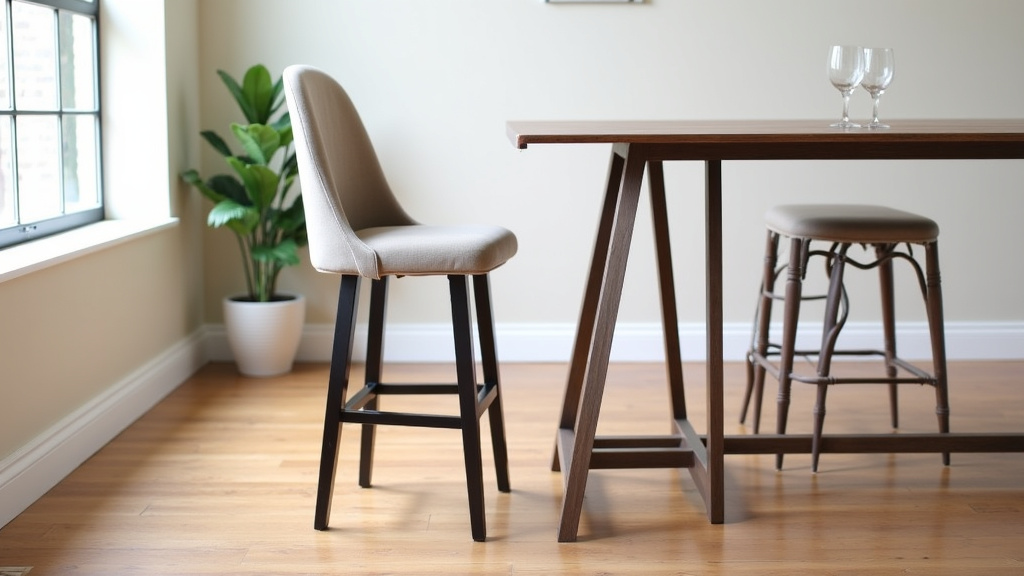
Counter stools are designed for counter-height surfaces. These surfaces are typically between 34 to 36 inches tall. This means counter stools are usually built with seat heights ranging from 24 to 26 inches. This perfectly aligns with the recommended range for your 36-inch table.
When shopping for counter stools, always check the seat height specification. You want to make sure it falls within that 24-26 inch range. Some counter stools can be a bit taller or shorter, so paying attention to the details is key.
Bar Stools: Usually Too Tall
Bar stools are made for bar-height tables, which are typically 40-42 inches high. Consequently, bar stools usually have seat heights of 28-30 inches or even higher. Placing a bar stool at a 36-inch table will leave very little legroom, making it quite uncomfortable.
If you have bar stools already, measure their seat height. If they are over 26 inches, they are likely too tall for your 36-inch table. It’s better to find seating that fits well from the start.
Adjustable Height Chairs: A Niche Option
Some specialized chairs offer adjustable heights. While these can be versatile, they might not offer the style or stability you’re looking for in a dining or kitchen area. They can be a good option if you have multiple table heights, but for a single 36-inch table, a fixed-height counter stool is usually simpler and more stylish.
How to Measure for the Perfect Fit
Before you buy anything, a little measuring goes a long way. It prevents those “oops, these don’t fit” moments. You’ll need to know two key measurements:
Measuring Your Table’s Underside Clearance
First, measure the height of your 36-inch table. This is the distance from the floor to the very top of the table surface. Then, measure the height from the floor to the underside of the table. This is the clearance space you have.
For a standard 36-inch high table, the underside clearance is typically around 34 inches (assuming a tabletop thickness of about 2 inches). This measurement helps confirm that the chair you choose will fit comfortably underneath.
Checking the Chair’s Seat Height
When looking at chairs online or in a store, find the seat height measurement. This is the distance from the floor to the very top of the seat cushion or surface. Always double-check this number against your desired range.
Don’t confuse seat height with overall chair height. The overall height includes the backrest, which doesn’t affect how the chair fits under the table. Focus strictly on the seat height!
Important Factors Beyond Just Height
While seat height is the most critical measurement, other factors contribute to a good seating experience. You want chairs that are not only the right height but also comfortable and proportionate to your table.
Chair Width and Depth
Consider the width and depth of the chair seats. You don’t want chairs that are so wide they cramp people sitting next to each other. Likewise, a seat that’s too shallow can be uncomfortable for longer periods. Standard seat depths are usually between 16 to 20 inches.
Your 36-inch table might be a standard rectangular or round shape. The number of chairs you can fit depends on the table’s diameter or length and the width of the chairs themselves. Allow about 6 inches of space between chairs for comfortable seating. Consider the space between chairs for comfortable seating, as our guide on table length per person explains.
Armrests: A Comfort Consideration
Some counter stools come with armrests. While armrests can add comfort, they can also prevent the stools from tucking completely under the table. Measure the height of the armrests from the floor. Ensure this height is less than the underside clearance of your table (around 34 inches) if you want them to fit.
If armrests are too high, you might have to leave the stools pulled out, which can look a bit messy and take up more floor space. Many counter stools are designed without arms, specifically for this reason.
Back Support and Cushioning
Beyond the dimensions, think about comfort. Does the chair have good back support? Is the seat well-cushioned for longer meals or work sessions? We found that many manufacturers focus on ergonomics for counter-height seating, as people often spend more time sitting at these tables.
Materials also play a role. Fabric, leather, wood, or metal seats all offer different levels of comfort and durability. Choose what best suits your lifestyle and aesthetic preferences. Research indicates that padded seats can improve comfort significantly (NCBI).
Choosing Your Perfect Pair: A Quick Checklist
Ready to find those perfect chairs? Keep this simple checklist handy:
- Confirm your table height: Ensure it’s truly 36 inches.
- Measure underside clearance: Find the space from the floor to the table bottom.
- Target seat height: Look for chairs between 24 and 26 inches.
- Check chair width: Ensure enough space for multiple seats.
- Consider armrest height: Make sure they fit under the table if present.
- Read reviews for comfort: Look for feedback on cushioning and support.
By following these steps, you can confidently choose chairs that offer both excellent comfort and a polished look for your 36-inch table. Happy seating!


