What Size Should a Dining Table for One Be?
A standard one person table is usually 24 to 30 inches wide for a place setting, with enough depth for a plate and drink. Choose the full footprint based on your meal habits, chair clearance, and available floor space.
On this page (8 sections)
- What size should a standard one person table be?
- How much tabletop space does one person need?
- How do you measure the full floor footprint?
- Which table shape suits a one person setup?
- What chair clearance and height should you check?
- Can a centerpiece fit on a one person table?
- How should you choose a tablecloth for a small table?
- Which one person table size should you choose?
A standard one person table is usually 24 to 30 inches wide for a plate, drink, and a little extra room. Choose a compact 18 to 24 inch surface for simple meals, or more space if you also use the table for a laptop, serving dish, or paperwork.
The table's floor footprint matters as much as its top. Include the chair when measuring, and leave a clear path so you can sit down and stand up without shifting other furniture.
What size should a standard one person table be?
A 24 to 30 inch wide tabletop suits many one person meals. Round and square tops in this range can hold a plate and drink, while a larger surface gives you space for sides or occasional work.
Think about what you put on the table at the same time. If meals are simple, a small top may be enough; if you serve several dishes or spread out a book, add inches.
The room shape can guide the tabletop shape. A round top may be easier to move around in a tight corner, while a square table can sit close to a wall when you're not using the far side.
For broader dimensions and how table sizes compare, see Standard Dining Table Size: The Common Dimensions. Its sizing context can help you judge whether a small table leaves enough room for your needs.
How much tabletop space does one person need?
One person needs room for a plate, drink, and any item used during the meal, such as a small bowl or condiment. Measure those items together if you're deciding between two close sizes.
A common place setting can occupy roughly 18 to 24 inches across, depending on plate size and where you keep your cup. A little extra depth is useful if you want to set down a phone or serving dish without moving your plate.
The tabletop isn't the only measurement to check. For a more focused breakdown, see How Much Table Depth Does One Person Need?.
Can a small table work for meals and other tasks?
A small table can serve meals and occasional tasks if its surface fits both uses. A 24 inch square top may handle a place setting, while a book or laptop can make a larger top more useful.
If you plan to work there often, check the table's usable width and depth with your laptop open. A table that fits a plate alone may feel crowded once you add a glass, notebook, or charging cable.
How do you measure the full floor footprint?
Measure the tabletop, then add the space needed for the chair and walking path. A chair pushed under the table takes less space than a person sitting in it, so plan around the table in use.
Mark the tabletop dimensions on the floor with painter's tape or paper. Pull the chair back as you would when sitting down, then check whether you can still reach nearby doors, cabinets, and walkways.
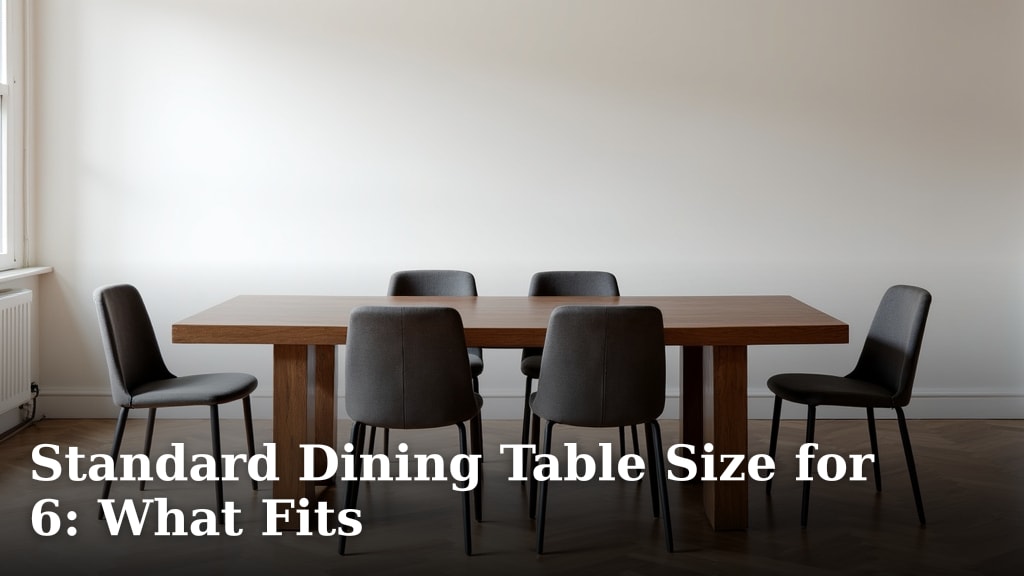
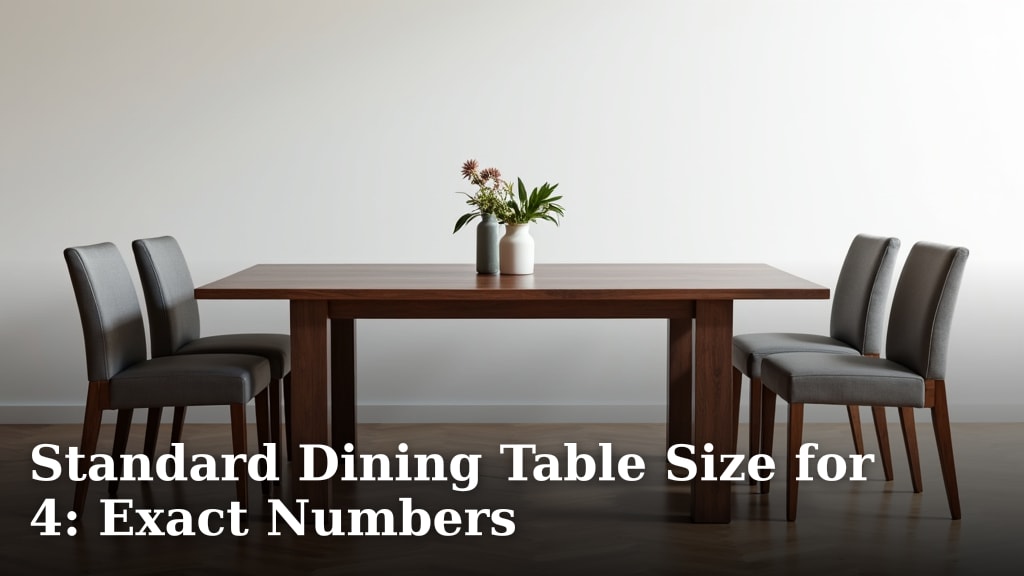
Compare a single diner's needs with larger layouts if you may host guests. These guides cover Standard Dining Table Size for 4: Exact Numbers and Standard Dining Table Size for 6: What Fits.
Which table shape suits a one person setup?
A round table can be easier to pass around, while a square table can make better use of a corner or wall. Pick the shape that fits your room and leaves the chair easy to pull out.
A pedestal base may leave more legroom than legs at each corner, but check where your knees and feet will go before buying. With any base, make sure the chair can tuck in enough to keep the walkway open.
Where can you keep small dining items?
Keep only the items you use at meals on the tabletop, and store extras nearby. A clear surface gives you more room to eat, especially when the table is narrow.
The Copco 18 Inch Lazy Susan Turntable Organizer has an 18 inch diameter, a non-skid surface, and a rimmed edge, so it can keep condiments or small items together on a nearby counter or shelf.
Measure the counter or shelf first, since the organizer itself takes up an 18 inch circle. It's for storage, not a replacement for a dining tabletop.
What chair clearance and height should you check?
Check the table height against the seat height and leave room to slide the chair in and out. For typical dining setups, matching a standard dining chair to a standard table height gives you a familiar starting point.
Read Standard Dining Table Height: The Numbers to Know before settling on a table and chair pair. If you're considering a bench, [How Tall Should a Dining Bench Be?
Seat Height Guide](/how-tall-should-a-dining-bench-be/) covers seat height and fit.
The Signature Design by Ashley Berringer Wood Dining chair is armless and measures 19 inches wide by 22.75 inches deep, with a cushioned seat. Its dimensions can help you estimate how much room a chair may need around a small table.
Allow space behind the chair for sitting and standing. If the chair can't slide under the tabletop or blocks a path when pulled out, consider a slimmer chair or a different table location.
Can a centerpiece fit on a one person table?
A centerpiece can fit if it leaves room for your plate and drink. On a small table, choose a low or narrow accent and move it aside during meals if needed.
The Fun Express Easter Decorations Bunny & Egg centerpiece measures 8.5 inches long by 1.5 inches wide and is intended for indoor tabletop display. Its narrow shape may suit a seasonal accent on a small table when there is still room for place settings.
Measure the available tabletop before adding decor. Keep a clear spot for food and drinks, and store the centerpiece elsewhere when it makes the table feel crowded.
How should you choose a tablecloth for a small table?
Choose a tablecloth that covers the tabletop and hangs evenly without getting in the way of your chair. Measure the top before selecting cloth size, then decide how much drop you want on each side.
A long overhang can brush your lap or catch on the chair when you sit down. Use Table Linens and Protectors: The Complete Buying Guide for material and care choices, and check How Long Should a Tablecloth Be? to work out the drop.
Which one person table size should you choose?
For a standard one person table, start with a 24 to 30 inch top if you want room for a plate and drink with a little spare space. Choose a smaller surface only when your meals are simple and the room requires it.
Pick a round table if passing around it is the main concern, or a square top if you want it close to a wall. Measure the chair in use and protect the walking path before deciding which size fits.
For more detail on a one person tabletop, use the guide to table depth for single person.
Frequently asked questions
What is the standard size of a table for one person?
A table around 24 to 30 inches wide can give one person room for a plate, drink, and small side item. The best size depends on tabletop shape, meal habits, and whether you need room for a laptop or serving dish.
Measure the chair and walking space too.
Is an 18 inch table big enough for one person?
An 18 inch round surface can work for a compact meal with a plate and cup, but it leaves little room for extra dishes. Check the usable surface and your usual place setting before choosing it as your only dining table.
How much room should I leave around a one person dining table?
Leave enough space to pull the chair out and sit down without blocking a door or main walkway. Measure the table, chair depth, and the path behind the seated person in the actual room, since a small tabletop can still need a larger floor footprint.
Does table height matter for one person?
Yes. The table should pair comfortably with the chair or stool you plan to use, with enough room for your legs underneath.
Check the seat and tabletop heights together; a compact tabletop won't feel practical if the seating position is awkward.