Standard Dining Table Height: The Numbers to Know
On this page (8 sections)
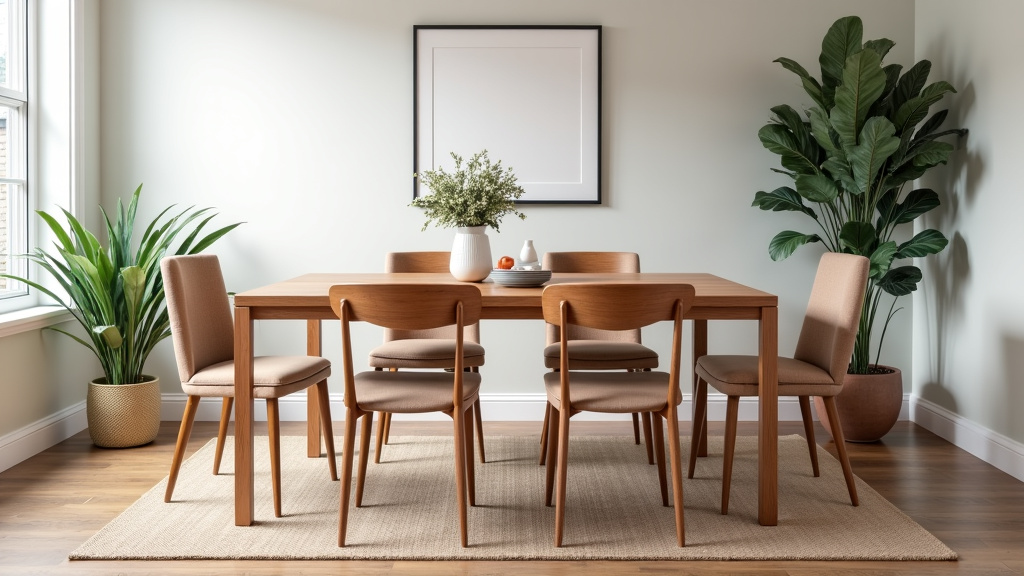
The standard dining table height is generally around 28 to 30 inches from the floor to the tabletop. This height is considered ideal because it allows for comfortable seating with standard dining chairs, providing enough legroom. You’ll find that most dining sets are designed with this common measurement in mind, ensuring a cozy dining experience.
When choosing a dining table, understanding its height is key for proper ergonomics and functionality. It’s not just about the table itself; consider the chair height too. The perfect combo means your elbows will comfortably rest on the table edge while seated. We found that a 10- to 12-inch gap between the chair seat and the tabletop is the sweet spot for most people. That spacing also helps when choosing a bench; see our dining bench height guide.
- Standard dining table height: 28-30 inches.
- Ideal chair-to-tabletop gap: 10-12 inches.
- This ensures comfortable legroom and arm placement.
- Many dining sets are designed with these numbers.
Let’s walk through exactly what you need to know about dining table heights to make sure your next purchase is just right for your home. Our guide to table length per person explains the standard measurements for comfortable dining.
You’ve picked out a gorgeous dining table, but are you sure it will be the right height for your family and guests? It’s easy to overlook this detail, but the standard dining table height plays a big role in how comfortable your dining space feels. We’ve gathered the key numbers to help you get it just right.
Understanding Dining Table Dimensions for Comfort
The ideal height for a dining table is a well-researched topic. Most dining tables stand between 28 and 30 inches from the floor to the top surface. This range is considered standard because it works well with most chairs. It creates a comfortable eating environment for many people.
Why this specific height range? It’s all about ergonomics. This measurement allows for adequate legroom. It also positions your arms at a natural angle when you’re seated. We found that this standard height promotes good posture while eating. It prevents you from hunching over or reaching too far.
The Role of Chair Height in the Equation
A dining table’s height is only half the story. The height of your dining chairs is equally important. Think of them as a team working together to create a comfortable dining experience. You need the right chair to match the table.
The goal is to have a specific amount of space between the chair seat and the tabletop. This gap allows your knees and thighs to fit comfortably underneath. It also lets your elbows rest naturally on the table’s edge. We’ve seen that a gap of 10 to 12 inches usually hits the sweet spot for most adults. This range ensures you’re not too high or too low.
Matching Chairs to Tables: A Simple Guide
When you buy a dining set, the table and chairs are typically designed to work together. This takes the guesswork out of it for you. However, if you’re mixing and matching, you’ll need to pay attention. A table that’s 29 inches tall might pair well with a chair that has a seat height of about 18 inches. This leaves you with that ideal 11-inch gap.
If your chairs are too tall, your elbows might feel awkward or high. If they’re too short, you might find yourself leaning down too much. Finding that perfect chair-to-table gap makes a big difference in mealtime enjoyment. Research from seating specialists often points to this 10-12 inch difference as optimal for comfort (Ergonomics Review Board).
Beyond the Standard: Exploring Different Table Heights
While 28-30 inches is the standard for dining tables, not all tables are created equal. You might encounter other types of tables that have different heights. Understanding these can help you choose the right furniture for various purposes in your home. If your table sits too low, explore these ways to raise a table.
Counter-Height Tables: A Popular Alternative
Counter-height tables have become very popular. They’re taller than standard dining tables. These tables usually measure between 34 to 36 inches from the floor to the tabletop. They are designed to be used with counter-height stools, which typically have seats around 24 to 26 inches high.
The gap between the counter-height table and the stool seat is often similar to a standard dining setup, around 10 to 12 inches. These tables are great for casual dining. They can also act as a natural divider in open-plan living spaces. Think of them as a more relaxed, informal dining option. Many interior designers recommend them for kitchens or breakfast nooks (HomeStyle Magazine).
Bar-Height Tables: The Tallest Option
Bar-height tables, also known as pub tables, are the tallest. They typically stand between 40 to 42 inches high. These tables are meant to be used with bar stools. Bar stools usually have seats around 28 to 30 inches high. This creates a similar 10-12 inch gap.
Bar-height tables are perfect for creating a home bar atmosphere. They’re also great for small spaces where you might want vertical seating. They offer a different kind of social gathering spot. You’ll often find them in game rooms or areas where you want a more social, standing-room-friendly vibe.
Factors That Influence Your Dining Table Choice
Choosing the right dining table height isn’t just about following a rule. Several factors can influence what works best for you. Let’s look at what else you should consider.
Your Own Height and Your Guests’ Comfort
We all come in different shapes and sizes. If you and your dining companions are particularly tall or short, you might need to adjust. For very tall individuals, a slightly higher table might offer more comfort. For shorter individuals, a slightly lower table or chairs with lower seat heights could be better.
Many ergonomic studies suggest that the ideal legroom under a table is crucial. It allows for natural movement and prevents discomfort during longer meals. While the 10-12 inch gap is a good starting point, don’t be afraid to measure and test what feels best for your household. Consider who will be using the table most often.
The Purpose of Your Dining Area
What will you primarily use your dining table for? Is it for formal dinner parties, casual family meals, homework sessions, or working from home? The intended use can guide your height decision.
For a formal dining room, a standard-height table (28-30 inches) is usually the best choice. It pairs with traditional dining chairs and offers a classic look. If your dining area is more casual or integrated into the kitchen, a counter-height table might be a better fit. It encourages a more relaxed atmosphere. For quick breakfasts or after-dinner drinks, a bar-height table could be ideal. A farmhouse table offers a sturdy, functional option for everyday family use.
The Style of Your Chairs
The design and style of your chairs will also play a role. Some chairs have thick padding, while others are sleek and minimalist. The seat height of the chair can vary significantly based on its upholstery and frame design. Always measure the actual seat height of the chair you plan to use.
A chair with a very thick cushion might effectively raise its seat height. This could reduce the comfortable gap between the chair and the table. Conversely, a chair with a thin seat might sit lower. You want to ensure there’s enough clearance for comfortable seating. This is where checking measurements becomes really important.
How to Measure for the Perfect Fit
Taking a few simple measurements can save you from potential discomfort and the hassle of returning furniture. Here’s how to ensure you get the right fit for your dining table and chairs.
Measuring Your Current Setup (If Applicable)
If you have a dining set you find comfortable, measure it! This is your best guide. Measure the distance from the floor to the top of the table. Then, measure from the floor to the top of the chair seat. The difference between these two numbers should ideally be between 10 and 12 inches. This gives you a benchmark for your next purchase.
Key Measurements for New Purchases
When you’re shopping for a new table or chairs, always look for the dimensions. Pay close attention to:
- Table Height: This is the measurement from the floor to the highest point of the tabletop.
- Chair Seat Height: This is the measurement from the floor to the highest point of the chair’s seat cushion.
Subtract the chair seat height from the table height. This will tell you the actual gap. Aim for that 10- to 12-inch difference. This simple calculation ensures comfort and usability.
Common Pitfalls to Avoid
Even with the numbers in hand, it’s possible to make a mistake. Being aware of common issues can help you avoid them. These are the little things that can trip you up.
Ignoring Chair Armrests
For armchairs, the height of the armrests is another factor. Can the armrests slide under the table? If the armrests are too high, they might bump into the underside of the table. This can make it impossible to push the chairs in fully. Measure the distance from the chair seat to the top of the armrest and compare it to the apron height of the table.
This measurement is often overlooked but is critical for chairs with arms. You want to ensure the armrests can tuck neatly under the table. This creates a cleaner look and allows for easier seating. If they don’t fit, you might need to choose a table with a higher apron or chairs without arms.
Assuming All “Standard” Items Are Identical
While there are industry standards, slight variations exist between manufacturers. A “standard” table from one brand might be a quarter-inch different from another. Similarly, chair seat heights can vary due to cushion thickness or frame construction. Always check the specific dimensions provided for each product.
Don’t rely solely on labels like “standard” or “counter-height.” Always double-check the actual measurements. This is especially true if you are mixing and matching pieces from different sources. A few minutes spent measuring can prevent future headaches.
Your Checklist for a Comfortable Dining Setup
Ready to ensure your dining area is perfectly comfortable? Use this quick checklist before you buy:
- Measure the height of your current table and chairs (if you have them).
- Confirm the standard dining table height is around 28-30 inches.
- Check that your desired chair seat height leaves a 10-12 inch gap to the tabletop.
- If using counter or bar height, verify those respective measurements (34-36″ for counter, 40-42″ for bar).
- Consider the height of chair armrests relative to the table apron.
- Always check manufacturer-provided dimensions for specific products.
Conclusion
Choosing the right dining table height makes a real difference in your home’s comfort. Remember, the standard is 28 to 30 inches, designed to work with chairs that leave a 10- to 12-inch gap between the seat and the tabletop. This ensures you have enough legroom and a natural place to rest your arms. While counter and bar heights offer different vibes, the core principle of comfortable clearance remains. Now that you have the key numbers, take a moment to measure your space and consider who will be using the table most. Your next dining table purchase can be a confident one!
Frequently Asked Questions
What is the standard height for a dining table?
The standard dining table height is generally between 28 and 30 inches from the floor to the tabletop. This measurement is widely used because it comfortably accommodates most dining chairs and provides adequate legroom for the average adult.
How much space should there be between my dining chair and the table?
You’ll want a gap of about 10 to 12 inches between the top of your chair’s seat and the underside of the dining table. This space allows your knees to fit comfortably underneath and your elbows to rest naturally on the table’s edge while seated.
Do I need to worry about table height if I’m buying a dining set?
Usually, when you buy a dining set, the table and chairs are designed to work together. Manufacturers typically match them to provide that ideal 10-12 inch gap. However, it’s always a good idea to check the listed dimensions to be sure.
What if my family is very tall or very short?
If you or your regular guests are significantly taller or shorter than average, you might consider adjusting. For taller individuals, a slightly higher table or chairs with a higher seat might be more comfortable. For shorter individuals, a table on the lower end of the standard range or chairs with lower seats could be a better fit.
Can I use a counter-height table for everyday dining?
Yes, counter-height tables (typically 34-36 inches tall) are a great option for casual dining, especially in kitchens or open-plan spaces. They are designed to be used with counter-height stools, offering a more relaxed atmosphere similar to the comfortable clearance of standard dining setups.