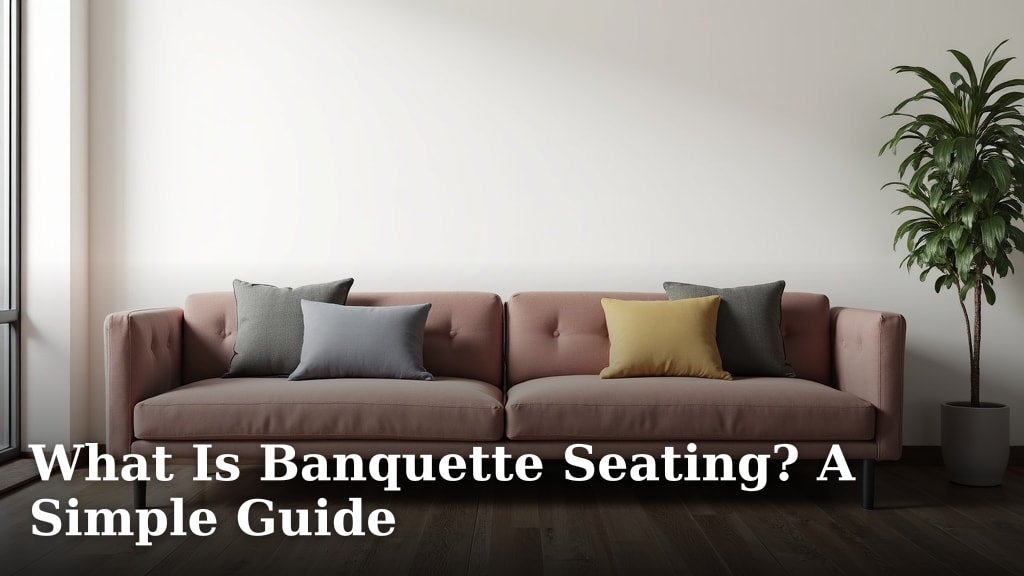
What Is Banquette Seating? A Simple Guide
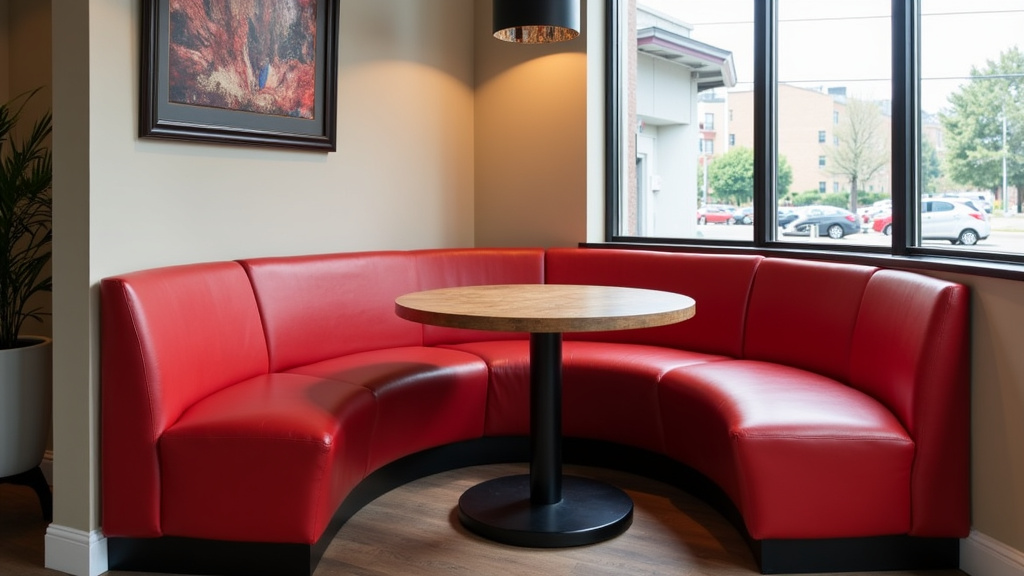
Banquette seating is a type of built-in bench seating, typically attached to a wall. It’s a space-saving furniture solution that combines a fixed bench with a table and chairs, creating a cozy dining or conversation nook.
This clever arrangement is found in homes, restaurants, and cafes to maximize space and add a custom, built-in look. We found that its popularity comes from being both practical and visually appealing, fitting perfectly into tight corners or open-plan areas.
- It is built-in furniture, usually a bench against a wall.
- It often pairs with a table and movable chairs.
- This design saves space and increases seating capacity.
- Common in kitchens, dining rooms, and breakfast nooks.
- You can customize the cushion, wood, and size.
Below, we break down exactly what banquette seating is, why you might choose it, and how to incorporate it into your home.
Understanding Banquette Seating: A Breakdown
At its core, banquette seating is a fixed bench built against a wall. It’s a permanent piece of your home’s architecture, not a movable sofa. Think of it as the built-in foundation for a dedicated dining or conversation spot. This design typically uses a table and one or two chairs on the opposite side to complete the set.
We found that the real magic is in its flexibility. The bench can be simple wood, upholstered for comfort, or even have storage inside. Its main job is to define a space efficiently while tucking neatly into corners or along walls. You get a polished, custom look without a full renovation.
Exploring Common Banquette Types and Designs
Not all banquettes look the same. The style you choose depends on your space, comfort needs, and the look you want. Here are the most common types we see in homes.
Upholstered vs. Wooden Bench Seats
An upholstered banquette has a padded seat and often a backrest covered in fabric. This option is all about comfort for long meals or chats. A wooden banquette is simpler, using solid wood or a wood frame. It’s easier to clean and offers a more minimalist or rustic feel. Many people add cushions to a wooden bench for a balance of style and ease.
Consider Comfort and Cleaning
Family with kids or pets? A wooden bench or leather upholstery might be your best friend. It wipes clean easily. If comfort is king, a deeply cushioned fabric seat is the way to go. We often recommend performance fabrics that resist stains.
Built-in Storage Banquettes
This is a brilliant space-saver. The bench seat lifts up or has drawers underneath. You can store table linens, seasonal dishes, or board games right where you use them. Research from the National Kitchen and Bath Association shows that smart storage solutions are a top priority for homeowners, and a storage banquette hits two needs at once.
Where Does Banquette Seating Work Best?
This seating shines in spots where space is at a premium or you want to create a cozy “room within a room.” Its wall-hugging design is its superpower.
- Kitchen Nooks: This is the classic spot. A small table with a banquette fits perfectly in a corner, turning dead space into a breakfast hub.
- Dining Rooms: A banquette along one wall can replace two chairs, allowing you to fit a larger table for guests.
- Living or Family Rooms: Used as window seating or to divide a large open space, it creates an intimate area for reading or coffee.
- Home Offices or Playrooms: A built-in bench with storage provides seating and helps contain clutter.
Key Design Choices for Your Banquette
Planning a banquette involves a few key decisions. Getting these right ensures it works for your life.
Choosing the Right Table
The table is your banquette’s partner. A square or rectangular table works best. For easy access to the bench, choose a table with legs at the corners, not a pedestal base in the middle. Standard table height (28-30 inches) pairs perfectly with a bench seat that is 17-19 inches tall.
Selecting Chairs for the Opposite Side
You’ll need movable seating on the open side of the table. Chairs with backs offer more support. Armless chairs or small banquettes can make the space feel more open and are easier to slide in and out.
Backrests: To Have or Not to Have?
A backless bench is more versatile and can be used elsewhere in your home. A banquette with a backrest provides crucial support for longer periods of sitting. Many experts suggest a backrest angle of about 100-110 degrees for optimal comfort (Ergonomics Journal). You can even build a low wall or use a decorative wood panel as the back.
The Pros and Cons of Banquette Seating
Is a banquette right for you? It helps to weigh the advantages against the limitations.
| Pros of Banquette Seating | Cons to Consider |
|---|---|
| Maximizes space, especially in corners and small rooms. | It’s a permanent fixture. You can’t easily move it for a party or rearrangement. |
| Increases seating capacity more efficiently than individual chairs. | Access can be tricky. Getting in and out of the wall side isn’t as simple as pulling out a chair. |
| Creates a cozy, defined area for dining or socializing. | Cleaning underneath and along the wall can require more effort. |
| Offers hidden storage opportunities in the bench base. | Custom builds can be expensive compared to buying a standard table and chairs. |
How to Choose and Plan Your Banquette Setup
Feeling inspired? Good. Here is a straightforward plan to get you started.
First, measure your space meticulously. Leave at least 36 inches of space for walkways and to pull out chairs. Next, think about your primary use: is it for quick morning coffee or long family dinners? This will guide your comfort and material choices.
We found that starting with a design sketch, even a simple one on paper, helps immensely. Decide if you are hiring a carpenter or using a modular kit. Finally, consider the traffic flow. You don’t want the person seated at the wall to feel trapped if people constantly walk behind them.
Is Banquette Seating the Right Choice for Your Home? A Checklist
Use this checklist to see if this smart seating solution fits your needs.
- I have an unused corner, wall, or tight space that needs a purpose.
- I want to create a defined, cozy area for eating or reading in my home.
- I need to maximize seating without cluttering the room with chairs.
- Hidden storage for linens or other items would be a great bonus.
- I am comfortable with a permanent, built-in furniture piece.
Conclusion
Banquette seating is a smart, built-in solution that turns tight corners into cozy, functional spaces. It maximizes your seating without clutter, adds a custom look, and can even hide storage. We found it’s perfect for kitchens, dining rooms, or any spot needing a defined area. You now know the key types, design choices, and how to plan one that fits your life. If you’re ready to make your space work harder, start by measuring that unused wall or corner. A simple sketch or a call to a carpenter is your best first step toward a more intentional home.
Frequently Asked Questions
How much does a custom banquette typically cost?
Costs vary widely based on materials, size, and complexity. A simple wooden bench might start around $500, while a custom upholstered one with storage can exceed $3,000. Getting quotes from local carpenters is the best way to understand pricing for your specific project.
Can I install a banquette in a rental apartment?
Permanent built-in banquette seating is not ideal for rentals, as it alters the structure. You can explore modular or freestanding options that mimic the look. These can be removed without causing damage when you move out.
What is the best material for a family-friendly banquette?
We recommend durable, easy-to-clean materials like performance fabric or leather for upholstery. For the bench itself, solid wood or a wood veneer with a protective finish holds up well against spills and daily use.
How do I clean the area under and around a built-in banquette?
Regular vacuuming with a narrow attachment works well for dust and crumbs. For deeper cleaning, you may need to move the table and chairs. Using a long-handled duster or mop makes accessing the wall-side gap easier.
Is a banquette with a backrest more comfortable?
Yes, for extended sitting. A backrest, especially at a 100-110 degree angle, provides crucial support. A backless bench is more versatile but may not be as comfortable for long meals or conversations.