Types of Table Edges: A Simple Visual Guide
On this page (3 sections)
Choosing the right table edge style is key to both your table’s look and how it feels to use. You’ll find many common types, like the square edge, which is modern and clean, and the roundover edge, offering a softer, safer feel. Understanding these options helps you pick the perfect finish for your home.
The edge profile you select impacts the overall style of your table. A beveled edge can add a touch of elegance, while a waterfall edge creates a dramatic, continuous look. We found that selecting an edge is as important as choosing the table’s material for its final appearance.
- Square Edge: Clean, modern look.
- Roundover Edge: Soft and safe.
- Beveled Edge: Adds a touch of elegance.
- Waterfall Edge: Dramatic, continuous look.
- Many other styles exist!
Let’s walk through the most popular table edge types with simple visuals so you can see exactly what each one looks like and decide which is best for your space. Understanding the ideal table length per person can help you choose the best size for your needs.
You’ve picked out your table, which is exciting! Now, let’s talk about the details that make a big difference. The edge profile of your table is more than just a finishing touch. It affects how the table looks and how safe it is to use. We’ve looked at many common styles. Understanding these will help you choose the best one for your home.
Understanding Different Table Edge Profiles
The way a table’s edge is shaped impacts its whole appearance. We found that the edge style is as important as the material for the final look. Let’s dive into the most popular options you’ll see.
The Clean and Simple: Square Edge
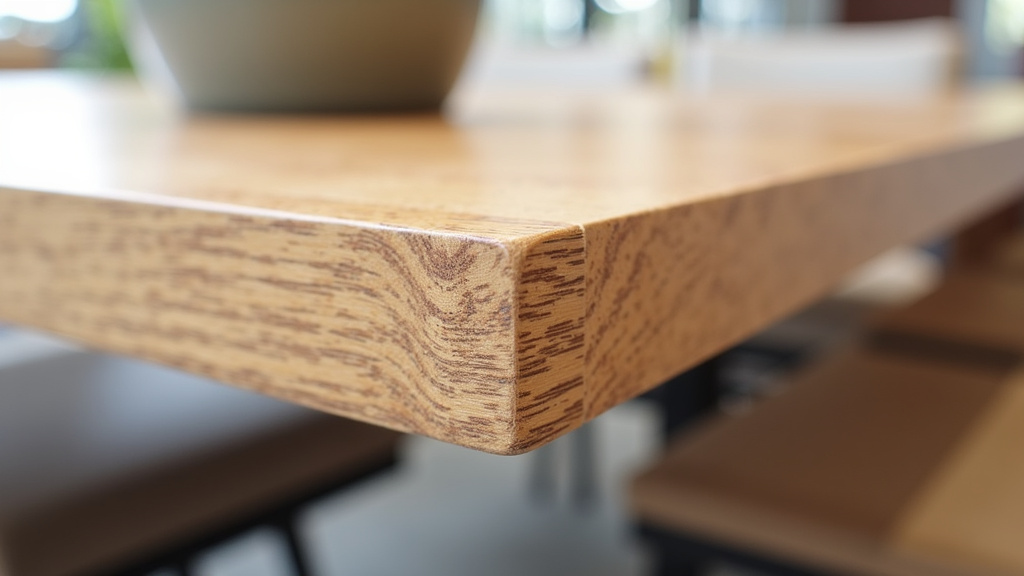
This is a very popular choice for a reason. A square edge has a sharp, 90-degree angle. It gives tables a modern and clean look. Many people choose this for contemporary dining rooms or sleek office spaces. It doesn’t have any fancy curves or angles. It’s all about straight lines.
We found that this style works well with many table materials. Think solid wood, laminate, or even stone tops. Its simplicity makes it very versatile. It helps the table’s material be the main focus. This edge is also quite easy to clean. There are no nooks for dust to hide in. It’s a no-fuss option.
The Soft and Safe: Roundover Edge
If you have kids or pets, or just prefer a softer feel, the roundover edge is a great choice. This profile is rounded off. It removes that sharp 90-degree corner. You can have a slight curve or a more pronounced one. We’ve seen this style on everything from coffee tables to kitchen islands.
It’s a friendlier option for everyday life. Less chance of bumping into a sharp corner. This makes it a popular choice for family homes. The rounded edge also feels nice to the touch. It gives a more comfortable and inviting feel. The degree of rounding can change the overall look. A gentle curve is subtle. A deeper curve is more noticeable.
The Elegant Accent: Beveled Edge
A beveled edge adds a touch of sophistication. This involves cutting the edge at an angle. It creates a sloped surface. The angle is usually around 45 degrees. This removes the sharp corner. It creates a visually interesting detail. We found that this style works well for more formal settings.
Think of a beveled edge like a subtle picture frame for your tabletop. It draws the eye without being too flashy. It can make a table look less bulky. This is especially true for thicker tabletops. The angle can be small or large. A small bevel is discreet. A larger bevel makes a bolder statement. It’s a nice way to add detail.
The Dramatic Statement: Waterfall Edge
This is a truly stunning design. A waterfall edge is when the material of the tabletop continues straight down to the floor. It looks like water flowing over the side. It creates a continuous, unbroken surface. We’ve seen this most often with stone, like marble or quartz. It creates a very luxurious look.
This style is all about a dramatic, modern aesthetic. It’s perfect for a room where you want the furniture to be a centerpiece. It’s less about softness and more about bold design. This edge requires precise craftsmanship. The material needs to be cut and joined perfectly. It’s a higher-end look. Many designers like this for its clean lines.
Other Popular Table Edge Styles
While the above are very common, there are other profiles you might encounter. Each offers a slightly different look and feel. We think knowing these can help you find the perfect match.
The Softened Square: Eased Edge
An eased edge is similar to a square edge. But, the sharp 90-degree corner is slightly broken. It’s not as rounded as a roundover edge. It’s just a tiny bit softened. We found this is a good compromise. You get a clean look with less risk of sharp bumps.
This is a very practical choice. It’s good for busy households. It offers a clean aesthetic but with a little more comfort. Many people prefer this when they want modern but still want it to feel a bit softer. It’s subtle but makes a difference.
The Classic Touch: Bullnose Edge
A bullnose edge is fully rounded. It has a semi-circular profile. Think of the shape of a bull’s nose. This is a classic style. It’s very smooth and comfortable to the touch. We found this edge is often seen on traditional or antique furniture.
It offers a very soft, flowing look. It’s also incredibly safe. There are no sharp corners at all. This makes it a fantastic choice for homes with very young children. It feels substantial and comforting. It’s a timeless design that always looks good.
The Decorative Detail: Ogee Edge
An ogee edge is more decorative. It has an “S” shape. It curves in and then out. This creates a more ornate and detailed look. We found that this style is often chosen for its decorative appeal.
This is a classic profile that adds a lot of character. It’s usually found on more traditional or formal pieces. It’s not as common on very modern designs. It requires more complex woodworking. It’s a beautiful choice if you want a table with a lot of visual interest.
The Tabletop Edge Checklist
Choosing an edge profile doesn’t have to be overwhelming. Here’s a quick checklist to help you decide:
- Consider your lifestyle: Do you have young children or pets?
- Think about your style: Do you prefer modern, traditional, or something else?
- Look at the room: What’s the overall aesthetic of your space?
- Feel the edges: If possible, touch different profiles to see what feels best.
- Safety first: Are sharp corners a concern for you?
- Maintenance: Do you want an edge that’s easy to clean?
We’ve looked at many edge styles, and research suggests that the right profile can truly enhance your table’s function and beauty (Woodworking Network). Selecting the edge that best suits your needs and preferences is the final step in creating a piece of furniture you’ll love for years to come. It’s these small details that truly make a piece.
Conclusion
You’ve learned about many table edge styles, from the clean square edge to the dramatic waterfall edge. Each profile offers a different look and feel for your furniture. We found that considering your lifestyle and the room’s style is key to making the best choice. Safety and comfort also play a big role. Don’t forget to think about how easy an edge is to clean. Now you have the knowledge to pick the perfect edge. Your next step is to look at tables and see which edge profile truly calls to you for your home.
Frequently Asked Questions
Which table edge is safest for homes with young children?
For homes with young children, a roundover edge or a full bullnose edge is usually the safest choice. These profiles completely remove sharp corners. This greatly reduces the risk of bumps and bruises when little ones are playing. You get a softer, more comfortable feel all around.
What is the difference between an eased edge and a square edge?
A square edge has a crisp, 90-degree angle, giving it a very modern look. An eased edge is similar but has a very slight softening of that sharp corner. It’s not rounded like a roundover, but just enough to take the harshness off. We found it’s a great compromise for a clean look with a bit more comfort.
Which edge style is best for a formal dining room?
For a formal dining room, a beveled edge often adds a touch of elegance without being too ornate. You might also consider an ogee edge if you prefer a more decorative, classic look. These styles provide a refined finish that complements more traditional or sophisticated decor.
Are waterfall edges difficult to maintain?
Waterfall edges are generally straightforward to maintain, similar to other smooth surfaces. Since the material flows continuously to the floor, there are fewer seams where dust or spills can collect. You’ll likely clean them with a damp cloth and mild cleaner, just as you would the tabletop itself.
Can I mix and match edge styles on different tables in my home?
Absolutely! You can certainly mix and match edge styles to suit the specific function and aesthetic of different tables in your home. For example, a roundover edge might be perfect for your coffee table, while a square edge could be ideal for your desk. We found that consistency isn’t always necessary if each choice makes sense for that piece of furniture.


