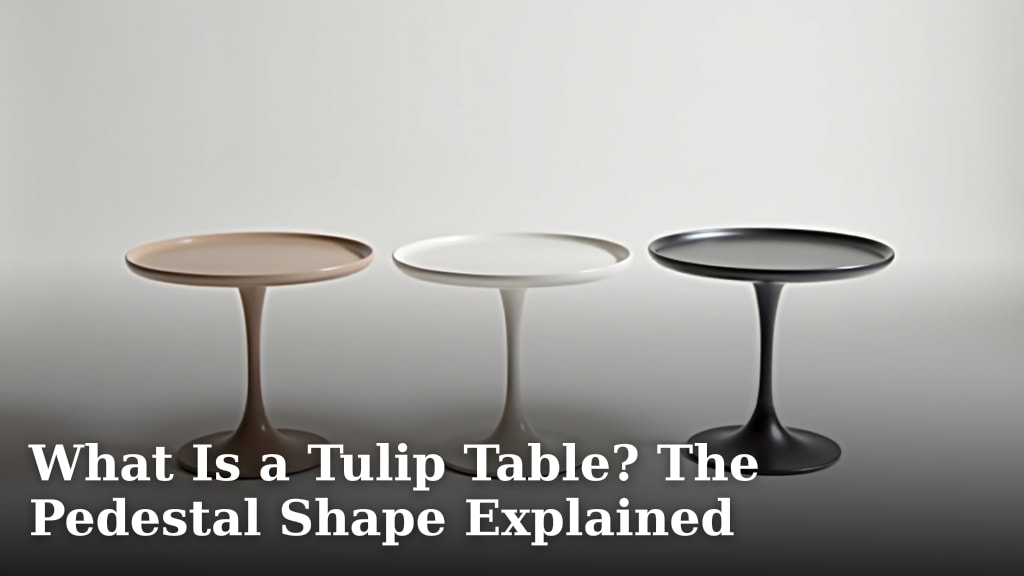
What Is a Tulip Table? The Pedestal Shape Explained
A tulip table is a type of table featuring a single central pedestal base instead of four legs. This pedestal design provides stability while creating a clean, modern look. It’s named for its resemblance to a tulip flower stem.
This iconic style was popularized by designer Eero Saarinen in the 1950s. He aimed to eliminate the “ugly, confusing world” beneath tables. We found that the tulip shape is now a staple in both dining rooms and office spaces.
- A tulip table uses one central pedestal for support, not multiple legs.
- The design was created by Eero Saarinen to reduce visual clutter.
- It maximizes legroom and makes cleaning the floor easier.
- Common materials include fiberglass, marble, and metal bases.
- You’ll find sizes ranging from small coffee tables to large dining sets.
Below, we’ll explore the history, benefits, and how to choose the right tulip table for your home.
Understanding the Tulip Table Design
A tulip table is defined by its single pedestal base. Instead of four legs, one central column supports the tabletop. This creates a clean, open look that feels less crowded than a traditional table. Think of it like a single tree trunk holding up a wide canopy — everything flows from one central point.
We found that the design eliminates the visual clutter of multiple legs. It gives your room a more open, airy feeling. You get a piece of furniture that looks modern without trying too hard. The simplicity is part of its charm.
Where the Name “Tulip” Comes From
The name is not random. The pedestal base curves outward at the bottom, much like a tulip flower stem widening into its bloom. It is a simple, visual connection that stuck.
Many people assume the name comes from the tabletop shape. It does not. It comes from the base. The base narrows near the top and widens at the bottom. That’s the tulip shape. It is a small detail, but it makes the design recognizable.
How the Pedestal Base Actually Works
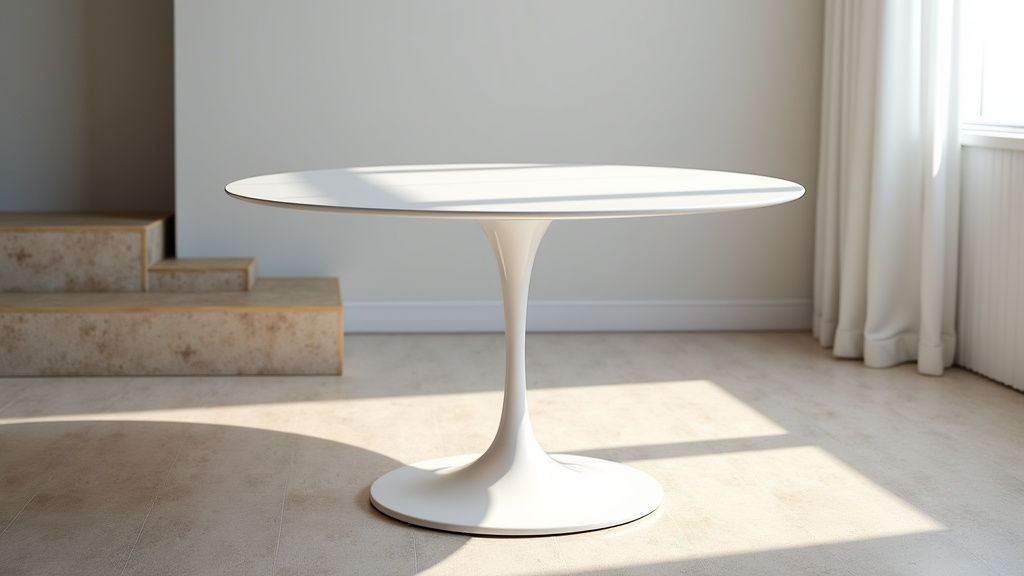
The pedestal base uses a weighted bottom to stay stable. A single column rises from the floor and spreads into a wide, flat disc at the bottom. This disc is usually made from a heavy material like cast aluminum or solid steel. The weight keeps the table from tipping.
The tabletop sits on top of the column. It is usually attached with a hidden bracket or bolt. You won’t see any hardware from the outside. Everything is tucked away. That’s what makes the design look so clean.
Some versions include a footrest ring near the base. This adds extra stability and gives your feet a place to rest. It is common in bar-height tulip tables. Regular dining versions usually skip this feature.
We found that the pedestal base is strongest when the table is round. Rectangular tulip tables need two pedestals to stay balanced. A single pedestal works best with round or oval tops (American Society of Interior Designers).
The History Behind the Tulip Table
The tulip table has been around since the mid-1950s. It was created by Finnish-American designer Eero Saarinen. He worked with the furniture company Knoll to bring the design to life.
Saarinen wanted to create furniture that was both functional and beautiful. He believed that the space beneath a table should be clean. No legs, no clutter. Just a single, graceful line from top to bottom.
Eero Saarinen’s Original Vision
Saarinen once said he wanted to eliminate the “ugly, confusing world” beneath tables. That quote is often repeated because it captures his approach so well. He saw tables with four legs as messy and distracting.
His solution was radical at the time. A single pedestal base. No legs at all. It was a bold move that changed how people thought about furniture.
We found that Saarinen spent years developing the perfect shape. He worked with engineers to test different base designs. The final tulip shape was not a quick sketch. It was the result of careful, methodical work (Knoll, Inc.).
Key Benefits of a Tulip Table
So why should you care about a tulip table? There are several practical benefits. Let’s break them down.
Better Legroom for Everyone
With no legs to bump into, you get more legroom. This is a big deal if you have a family or host guests often. Nobody wants to kick a table leg while reaching for the bread basket.
The pedestal design means your knees won’t hit anything. You can pull your chair in close. You can sit comfortably at any angle. It feels natural and easy.
This benefit is especially noticeable in smaller spaces. A round tulip table with a pedestal base feels less cramped than a rectangular table with four legs. Your dining area opens up.
Easier Cleaning and Maintenance
Cleaning under a tulip table is a breeze. You can sweep or vacuum around the single base without moving furniture. No legs to navigate around. Just one central column.
Many homeowners find that mopping is faster too. There’s nothing to get in the way. The floor stays cleaner because dust doesn’t collect in hidden corners.
We found that this benefit matters more than people think. According to a survey by the American Cleaning Institute, most people spend about 30 minutes a day on housework. That includes time spent moving furniture. A tulip table can save you a few minutes each week.
Common Materials and Finishes
Tulip tables come in a variety of materials. The base is usually metal. The top can be many different things. Here’s what you’ll most often find.
The base is typically made from cast aluminum or steel. It is painted, powder-coated, or polished. Some versions have a glossy white finish. Others come in matte black or brushed metal. The base needs to be heavy to keep the table stable.
The tabletop is where things get interesting. Marble is a popular choice. It looks elegant and feels cool to the touch. But it is heavy. A marble top can make the table harder to move.
Fiberglass is another common option. It is lightweight and easy to clean. It comes in many colors. Some people prefer it for everyday use because it is less likely to stain.
Wood tops are less common but still available. They add warmth and texture. They fit well in rustic or mid-century modern rooms.
We found that the most popular combination is a white fiberglass top with a white pedestal base. It is the classic Saarinen look. Many copies and originals still use this pairing (Knoll, Inc.).
Honest note: Always check the weight capacity of the tabletop before buying. Some materials can be fragile. Marble, for example, can chip if you set heavy items on the edge. Fiberglass is more forgiving.
How to Choose the Right Tulip Table
Choosing a tulip table is easier than you think. You need to think about Our guide to table length per person explains the standard numbers for seating.size, material, and space
You now know the tulip table is more than just a style. It’s a practical design solution born from Eero Saarinen’s vision for cleaner spaces. The single pedestal base offers real benefits: more legroom, easier cleaning, and a modern, open feel. Its iconic shape comes from the stem, not the top. We found this design has stood the test of time for good reason. When choosing your own, remember to consider the **size of your room** and the **weight of the tabletop material**. A marble top is beautiful but heavy. Fiberglass is lighter and more forgiving. Your next step is simple: measure your dining area and think about how you’ll use the table daily. That will guide you to the perfect match. No, they are designed to be very stable. The base is weighted with heavy materials like cast aluminum or steel. The wide, flat disc at the bottom provides a solid foundation to prevent tipping. While the classic and most stable version is round, you can find rectangular tulip tables. These models typically use two pedestal bases for proper balance instead of one central column. Absolutely. This is one of their best features. The pedestal design eliminates corner legs, so the table has a smaller footprint and makes a tight space feel more open and accessible. Wipe the metal base with a soft, damp cloth. For sticky spots, use a mild soap solution. Avoid abrasive cleaners that could scratch the finish, especially on glossy or painted surfaces. Not at all. Its simple, clean lines are very versatile. We’ve seen it fit beautifully in minimalist, contemporary, and even eclectic decors. The white-on-white version is a neutral staple.Conclusion
Frequently Asked Questions
Are tulip tables wobbly with just one leg?
Does a tulip table only come in a round shape?
Can I use a tulip table in a small kitchen or apartment?
How do I clean a tulip table base?
Is a tulip table only for mid-century modern homes?