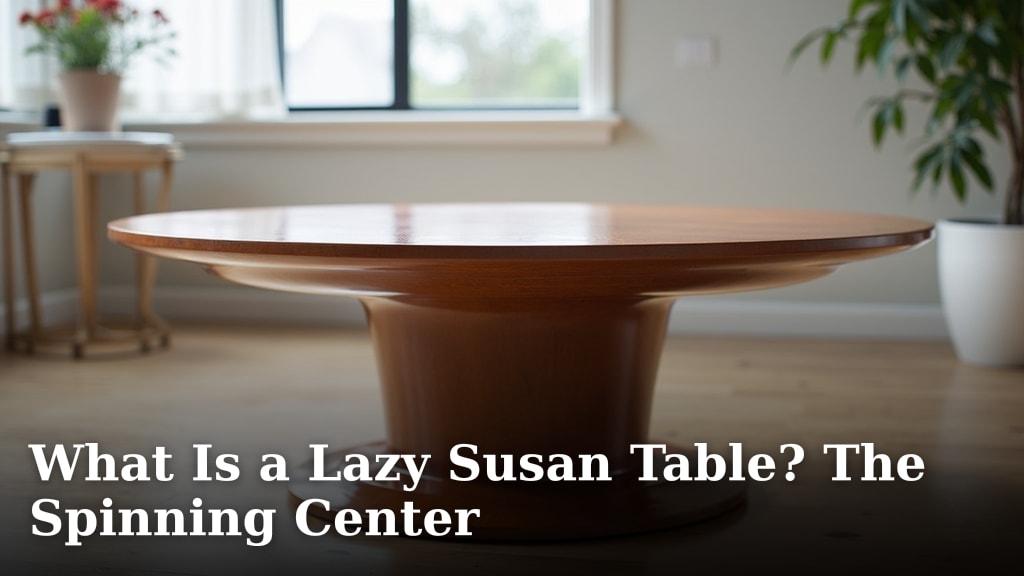
What Is a Lazy Susan Table? The Spinning Center
A Lazy Susan table is a rotating tray or platform that sits in the center of a dining table or countertop. It allows you to easily spin dishes, condiments, or decor items within reach of everyone. Think of it as a helpful spin on convenience for shared meals or busy kitchens.
These clever devices, often made from wood, glass, or plastic, have been around for a long time. They’re especially popular on larger dining tables where reaching across can be a challenge. A Lazy Susan can also be a practical addition to a kitchen island or pantry for organizing items.
- A Lazy Susan is a spinning tray for tables.
- It makes it easy to reach items without stretching.
- They are common on dining tables and kitchen counters.
- Lazy Susans can be made from various materials like wood or glass.
- They help organize and add convenience to shared spaces.
Below, we’ll explain more about what makes a Lazy Susan table so useful and how you might use one in your home.
Understanding the Lazy Susan Table
A Lazy Susan table is essentially a spinning platform designed to bring convenience to your tabletop. Its primary purpose is to allow you to easily access items placed on it without having to reach or ask others to pass them. Think of it as a helpful carousel for your dining table or kitchen counter.
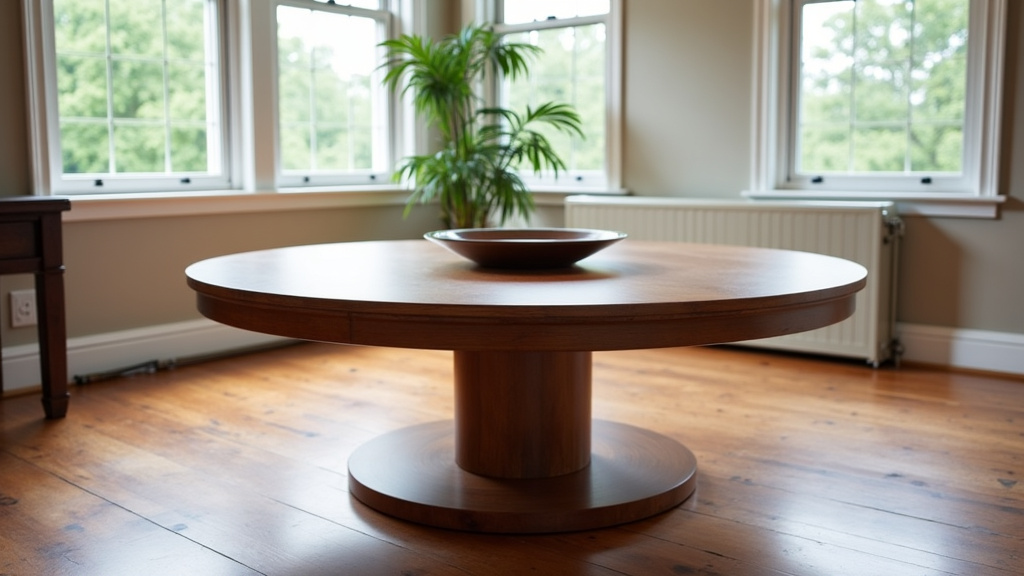
These rotating trays come in various sizes and materials. You’ll often find them made from wood, glass, acrylic, or even marble. The mechanism is simple: a bearing allows the top surface to rotate smoothly. This makes them incredibly practical for sharing food, drinks, or condiments.
How a Lazy Susan Works and Its Benefits
The magic of a Lazy Susan lies in its rotating mechanism. At its core is a bearing system, often a ball bearing race, that lets the top plate spin freely on its base. This simple engineering allows for effortless turning.
Effortless Access and Sharing
Imagine a large dinner party. Instead of people stretching awkwardly or passing bowls around, the Lazy Susan makes it simple. You can spin the gravy boat, the salad, or the bread basket right to the person who wants it. This reduces the need for constant hand-offs.
This ease of access is a major benefit for families with young children too. Kids can spin their own juice or snacks closer without disturbing others. It encourages a more independent and relaxed dining experience for everyone at the table.
Space-Saving Organization
Beyond just dining, a Lazy Susan can be a fantastic organizer. In a kitchen, it can hold spices, oils, and vinegars on your counter or inside a cabinet. You can easily spin it to find what you need without rummaging.
We found that using a Lazy Susan in pantries or on shelves can also maximize storage space. Instead of items getting lost in the back, you can spin the unit to see everything at a glance. This prevents duplicates and reduces food waste.
Variety in Design and Material
Lazy Susans are not one-size-fits-all. They come in a wide array of designs to match your home decor. You can find them in:
- Wood: Offers a warm, natural look, great for rustic or traditional settings.
- Glass: Provides a sleek, modern appearance and is easy to clean.
- Acrylic/Plastic: Lightweight, durable, and often budget-friendly options.
- Marble/Stone: Adds a touch of luxury and is excellent for keeping items cool.
The size also varies greatly. You can get small ones for spice racks or large ones that span the entire diameter of a big dining table. Choosing the right size and material depends on where and how you plan to use it.
Where Can You Use a Lazy Susan?
The versatility of a Lazy Susan means it can find a home in many areas of your house. Here are some popular spots:
Dining Room Tables
This is perhaps the most common place to see a Lazy Susan. On a large dining table, it’s a lifesaver for keeping essentials within reach. Salt, pepper, ketchup, and serving dishes can all be part of the spinning rotation. Understanding table length per person can help you choose the right size Lazy Susan for your dining table.
Many homeowners choose a decorative Lazy Susan for their dining room. It can be a stylish way to display centerpieces when not in use. Some even have built-in compartments for napkins or cutlery.
Kitchen Countertops and Islands
In the kitchen, a Lazy Susan shines as an organizational tool. Place one on your counter to hold frequently used oils, vinegars, or sauces. It keeps your workspace tidy and ingredients accessible.
Kitchen islands often have deep cabinets. Installing a Lazy Susan inside these cabinets is a smart move. You can spin out pots, pans, or small appliances with ease. This makes finding what you need much simpler, as many experts recommend organizing frequently used items for better kitchen flow (National Association of Home Builders).
Refrigerators and Pantries
Do you ever lose items in the back of your fridge or pantry? A Lazy Susan can solve that problem. It brings everything forward with a simple turn.
We found that placing jars of condiments, yogurts, or even fruits and vegetables on a Lazy Susan in the refrigerator makes a big difference. In the pantry, it’s perfect for cans, spices, or snack bags. It helps prevent food from expiring unnoticed.
Bathroom and Vanity Organization
Don’t overlook the bathroom! A Lazy Susan can organize your makeup, skincare products, or toiletries on a vanity or shelf. It keeps your items neat and readily available.
Some people even use them in shower stalls to hold shampoo bottles and soap. This prevents clutter and keeps your shower essentials within easy reach. It’s a small change that can make your daily routine a bit smoother.
Choosing the Right Lazy Susan for Your Needs
Selecting the best Lazy Susan involves considering a few key factors. Think about the intended use and the space it will occupy.
Size Matters
Measure the space where you plan to put the Lazy Susan. For a dining table, ensure it’s not too wide that it prevents people from placing plates. For a cabinet, make sure it fits comfortably with doors closing properly.
A good rule of thumb for dining tables is to leave at least 6-10 inches of clearance around the edge. This ensures there’s enough room for place settings. We found that an undersized Lazy Susan might not hold enough, while an oversized one can be cumbersome.
Material and Durability
Consider how the Lazy Susan will be used and cleaned. Glass and acrylic are easy to wipe down, which is great for kitchens and dining areas. Wood requires a bit more care, especially if it will be exposed to moisture or food spills.
If you plan to use it for heavy items, ensure the base and bearing are sturdy. Many high-quality Lazy Susans use robust ball bearings for smooth operation. For high-traffic areas, durability is key.
Aesthetics and Style
The Lazy Susan should complement your existing decor. A sleek glass model might look great in a modern kitchen, while a rustic wooden one could be perfect for a farmhouse-style dining room.
Don’t underestimate the visual impact. A well-chosen Lazy Susan can be both functional and a decorative element. Think about the color, finish, and overall design.
Getting the Most Out of Your Lazy Susan
Once you have your Lazy Susan, think about how to maximize its usefulness. Here’s a quick checklist to get you started:
- Clear the space: Ensure the area where it will sit is clean and dry.
- Measure twice: Confirm it fits your intended spot before loading it up.
- Distribute weight: Try to place heavier items closer to the center for stability.
- Don’t overload: Avoid putting too many items on it, which can make it wobbly.
- Regular cleaning: Keep it wiped down to maintain its appearance and hygiene.
- Rotate items: Use it to easily access different things throughout the day or week.
A Lazy Susan is more than just a novelty item; it’s a practical solution for everyday convenience. Whether you’re hosting a dinner party or just trying to organize your kitchen, this spinning marvel can truly make a difference.
Conclusion
You’ve learned how a Lazy Susan table transforms everyday dining and organization. This spinning tray offers effortless access to everything on your table or counter. It’s a simple yet effective way to improve shared meals and streamline your kitchen tasks. Whether for serving food, organizing spices, or decluttering your bathroom, a Lazy Susan adds a layer of convenience you’ll appreciate. Ready to add this helpful spin to your home? Consider measuring your space and choosing a style that fits your needs and decor.
Frequently Asked Questions
Can a Lazy Susan damage my table?
Most Lazy Susans are designed with protective pads or smooth bases to prevent scratching your table. If you’re using a particularly heavy one or have a delicate table finish, you might consider placing a thin placemat or felt protector underneath the base of the Lazy Susan itself.
Are Lazy Susans difficult to clean?
Cleaning largely depends on the material. Glass, acrylic, and plastic models are typically very easy to wipe down with a damp cloth and mild soap. Wooden Lazy Susans may require a bit more care; avoid soaking them and use a wood-specific cleaner or polish occasionally.
How much weight can a Lazy Susan typically hold?
The weight capacity varies greatly by size and construction. Smaller, lighter models might be best for spices, while larger, sturdier units made from solid wood or metal can handle multiple serving dishes. Always check the product specifications for the load limit if you plan to place heavy items on it.
What’s the difference between a Lazy Susan and a turntable?
While often used interchangeably, a Lazy Susan is specifically a type of turntable designed for home use, primarily on tables or counters for serving or organization. A turntable is a more general term for any rotating platform, which could include industrial equipment or display stands.
Can I use a Lazy Susan in my shower?
Yes, you can use a Lazy Susan in a shower, especially in corner stalls or on a shelf. Look for models made from rust-resistant materials like plastic or stainless steel. It’s a great way to keep shampoo, conditioner, and soap organized and easily accessible.