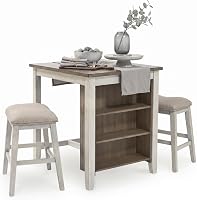
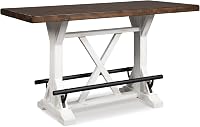
Counter Height vs Bar Height Table: The Difference
On this page (5 sections)
When choosing between a counter height and a bar height table, the main difference lies in their height and the stools that pair with them. A counter height table is typically around 34-36 inches tall, designed for standard counter stools. A bar height table is taller, usually 40-42 inches high, and requires taller bar stools.
Understanding this difference is key for your kitchen or dining area. It impacts comfort, flow, and the overall aesthetic of your space. Getting it right ensures your new table feels just right for entertaining and everyday living.
- Counter height tables are about 34-36 inches tall.
- Bar height tables are taller, around 40-42 inches.
- The height dictates the type of stools you’ll need.
- Choosing correctly impacts comfort and usability.
Let’s break down the specifics of each type so you can make the best choice for your home.
You’ve seen them in magazines and maybe even at a friend’s house. These taller tables are popular for a reason! They add a touch of casual elegance and make great conversation spots. But when you’re ready to buy one, you’ll quickly notice there are two main heights: counter and bar. They look similar, but that few inches of difference really matters. Let’s make sure you get it just right for your space.
Understanding Table Heights for Your Home
Choosing the right table height is more than just picking a furniture piece. It’s about creating a functional and comfortable space for your daily life. The height of your table directly affects the seating you’ll choose. It also impacts how the table fits within your room’s overall flow.
What is Counter Height?
Counter height tables are designed to match the height of a standard kitchen counter or island. Think about the height of your kitchen counters at home. That’s generally where counter height tables fall.
Typical Counter Height Measurements
Most counter height tables stand between 34 to 36 inches tall. This range is pretty consistent across manufacturers. It’s a height that feels familiar and comfortable for many people.
The Perfect Stool Pairing
To go with a counter height table, you’ll want counter stools. These stools typically have a seat height of around 24 to 26 inches. This allows for about 10-12 inches of legroom between the seat and the tabletop. This gap is important for comfortable seating. It’s not too cramped, and you don’t feel like you’re reaching too high.
Where Counter Height Tables Shine
These tables are a fantastic choice for kitchens, especially those with islands. They create a natural extension of your counter space. They’re also great for smaller dining areas. They offer a more casual dining experience than a traditional dining table. Many people use them for quick breakfasts or as a homework station.
What is Bar Height?
Bar height tables, also known as spectator or extra-tall tables, are significantly taller than counter height. Imagine the bar at your favorite restaurant. That’s the kind of height we’re talking about here.
Typical Bar Height Measurements
Bar height tables usually measure between 40 to 42 inches tall. Some might even go up to 44 inches. This extra height is the main differentiator. It makes them stand out from counter height tables.
The Right Stools for Bar Height
Because bar height tables are taller, they require bar stools. These stools typically have a seat height of about 28 to 30 inches. Similar to counter height, you want a good gap. For bar height, this gap is usually around 10 to 12 inches between the stool seat and the table. This ensures you can sit comfortably without feeling like you’re perched too high.
Ideal Spots for Bar Height Tables
Bar height tables are often found in spaces designed for entertaining. Think game rooms, home bars, or larger open-concept living areas. They create a more social, gathering-like atmosphere. They can also be a good option for adding vertical interest to a room. If you have high ceilings, a bar height table can feel more proportionate.
Comparing Counter Height and Bar Height Tables
Let’s put them side-by-side so you can see the differences clearly. It’s not just about the inches; it’s about the overall feel and function they bring to your home.
Key Differences at a Glance
The most obvious difference is their height. But this height difference leads to other distinctions.
- Height: Counter height tables are 34-36 inches. Bar height tables are 40-42 inches.
- Stool Height: Counter stools are 24-26 inches. Bar stools are 28-30 inches.
- Feel: Counter height feels more like an extension of the kitchen. Bar height feels more like a pub or lounge setting.
- Space: Counter height is great for everyday use and smaller areas. Bar height is good for entertaining and can make a bold statement.
Functionality in Your Home
How will you actually use the table? This is a big question to ask yourself. Think about your daily routines and how guests interact in your space.
Everyday Use and Comfort
For families with children or for those who eat most meals at a table, counter height often wins. The lower height makes it easier for younger children to get on and off stools. It also feels less formal. Reaching for things on the table is generally easier. Many experts suggest counter height for its versatility in daily kitchen use (National Kitchen & Bath Association).
Entertaining and Socializing
If your goal is to create a spot for friends to gather while you’re cooking, bar height might be more your style. The taller setup mimics a bar atmosphere. This can encourage more mingling and conversation. It feels more like a distinct entertainment zone. For a home bar area, bar height is almost always the go-to choice.
Space Considerations
The size of your room and how you plan to use it are important. Both types of tables have different impacts on the perceived size of a room.
Visual Impact and Room Flow
A counter height table tends to blend in more. It can make a smaller kitchen or dining area feel less crowded. It’s less visually imposing. On the other hand, a bar height table makes a bigger statement. It can draw the eye upward. In a large open-concept space, it can help define a particular zone. However, in a smaller room, it might feel too bulky and obstruct the flow.
Placement and Clearance
No matter which height you choose, you need enough space around it. Make sure there’s enough room to pull out stools comfortably. Also, ensure people can walk behind seated individuals without bumping into them. A general guideline suggests at least 36 inches of clearance around the table on all sides. This allows for comfortable movement. No matter which height you choose, you need enough space around it; our guide to table length per person explains the ideal clearance.
Making the Final Decision: Your Checklist
Ready to decide? Here’s a quick rundown to help you make the best choice for your home. Think about these points:
- What is the primary use? Daily meals, homework, or entertaining guests?
- Who will be using it? Consider children, elderly family members, or guests.
- What is your existing counter height? If adding to an island, match its height.
- How much space do you have? Measure your room carefully.
- What is your desired aesthetic? Casual kitchen extension or a pub-like gathering spot?
- What type of seating do you prefer? Stools that tuck under or ones that sit at a higher level?
By considering these factors, you’ll be well on your way to selecting the perfect table height for your needs. It’s all about finding that sweet spot where style meets comfort and functionality.
Conclusion
You’ve learned the key distinctions between counter height and bar height tables. Remember, counter height tables (34-36 inches) offer a more casual feel, often fitting seamlessly with kitchen counters. Bar height tables (40-42 inches) provide a more elevated, pub-like atmosphere, perfect for entertaining. Your choice hinges on your space, how you’ll use it, and the overall comfort you want to achieve. Think about your daily routines and guest interactions. Now, you’re ready to select the table that best suits your home’s style and your lifestyle.
Frequently Asked Questions
Which table height is better for a small kitchen?
For smaller kitchens, a counter height table is often the better choice. Its height is closer to your existing counters, making it feel like a natural extension of your workspace. This can make a small kitchen feel larger and less crowded than a taller bar height table would.
Can I use bar stools with a counter height table?
It’s generally not recommended to mix bar stools with a counter height table, or vice versa. The seat height difference is designed to provide comfortable legroom. Using the wrong stool will likely result in an uncomfortable seating experience, either too high or too low.
Are bar height tables good for everyday family meals?
While some families use them, bar height tables are often less ideal for everyday family meals, especially with young children. The taller height can make it harder for kids to get on and off the stools. Counter height tables are typically more practical for regular, casual dining.
How much space do I need around a counter height table?
You’ll want at least 36 inches of clearance around your counter height table. This allows enough room for stools to be pulled out comfortably. It also ensures people can walk behind seated individuals without feeling cramped.
Will a bar height table make my room feel smaller?
A bar height table can make a room feel smaller if the space isn’t large enough. Because they are taller, they draw the eye upward and can feel more imposing. In a very large, open-concept room, they can help define a specific zone without making the entire space feel cramped.