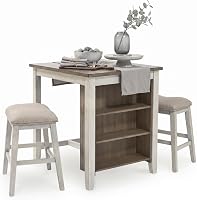
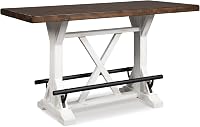
Stool Height for a 36 Inch Counter: The Right Fit
On this page (3 sections)
For a 36-inch counter, you’ll generally need stools that are 24 to 26 inches high. This measurement refers to the seat height, which is key for comfort. Getting the stool height right ensures you can easily sit down and stand up, and your arms will be at a comfortable level when using the counter. It’s about finding that perfect fit.
Choosing the wrong stool height can make your counter feel awkward to use. Too high, and your legs might feel cramped. Too low, and you’ll be reaching up uncomfortably. We’ve researched common countertop heights and recommended stool sizes to help you find the ideal seating. This choice impacts both function and the overall feel of your space.
- Ideal stool seat height for a 36-inch counter is 24-26 inches.
- This range ensures comfortable legroom and elbow height.
- Consider your personal comfort and the stool’s design.
- Proper height makes your counter both functional and inviting.
Let’s walk through exactly how to measure and what to look for to make sure your new stools are just right.
Finding the Perfect Stool Height for Your 36-Inch Counter
You’ve got that stylish 36-inch counter. Now, what about the stools? It’s a common question, and getting it right makes a big difference. We’ve looked into what makes seating comfortable and functional. The sweet spot for stool seat height for a 36-inch counter is typically between 24 and 26 inches.
Why That 24-26 Inch Range Matters
Think about sitting at your kitchen counter. You want to feel relaxed, right? Too high, and your knees bump the underside. Too low, and you’re practically doing a plank just to reach your coffee. This 24-to-26-inch range for the seat height gives you that ideal legroom. It also positions your arms comfortably for eating or working.
Legroom: The Foundation of Comfort
When you sit down, you need enough space under the counter. This prevents your knees from feeling squished. Experts often suggest a gap of about 10 to 12 inches between the seat and the underside of the counter. For a 36-inch counter height, this translates directly to our 24-26 inch stool seat height range. This gap ensures you can shift your position easily and avoid that cramped feeling.
Elbow Height: Where Productivity Meets Relaxation
Beyond just fitting under the counter, think about how you’ll use it. Will you be eating meals? Working on your laptop? The counter’s surface needs to be at a good height for your elbows. A 36-inch counter, paired with a 24-26 inch stool, typically places the counter surface around 10-12 inches above your bent elbow. This is a very ergonomic position for many people. It supports your forearms comfortably.
What Kind of Stools Fit This Height?
This height range generally falls into the category of what’s called “counter height” stools. This is different from “bar height” stools. Bar height stools are taller, meant for bars that are usually 40-42 inches high. So, when you’re shopping, look for stools specifically labeled as counter height.
Understanding Stool Classifications
We found that manufacturers use specific terms to help shoppers. Let’s break them down:
- Counter Height Stools: These are designed for counters that are 34-36 inches high. Their seat height is usually 24-26 inches.
- Bar Height Stools: These are for bars or high counters, typically 40-42 inches high. Their seat height is usually 29-31 inches.
- Table Height Stools: These are for standard dining tables, which are around 28-30 inches high. Their seat height is usually 18-20 inches.
Knowing these categories helps you avoid confusion. You’re looking for that counter height stool for your 36-inch surface.
Measuring for the Perfect Stool Fit
You might be wondering how to measure yourself or your space. It’s simpler than you think! Grab a tape measure and a willing friend, or just use a level against a wall. The key measurement is from the floor to the top of the stool seat.
The Simple Measurement Process
Here’s how to do it: 1. Stand in front of your 36-inch counter. 2. Sit on a surface that’s roughly 25 inches from the floor. A sturdy chair with cushions might work, or even stack some books if you’re careful. 3. Check your leg position. Are your knees bent comfortably? Do they clear the underside of the counter? 4. See where your elbows land. Is the counter surface about 10-12 inches above your bent elbow? 5. This simple test can give you a good feel for what height feels right for your personal comfort.
Considering Seat Depth and Width
Beyond just height, think about the seat itself. A stool that’s too deep might make your legs feel too far forward. One that’s too narrow can be uncomfortable for longer periods. We found that many counter height stools have seat depths between 15 and 18 inches. Widths often range from 17 to 20 inches. These are general guidelines, and personal preference plays a big role here.
Are There Any Exceptions to the Rule?
While 24-26 inches is the standard, there are a few things that might nudge you slightly in or out of that range. If you’re particularly tall or short, you might need to adjust. Likewise, the design of the stool can play a part.
Personal Height and Body Type
If you’re on the taller side, you might find stools at the 26-inch mark more comfortable. This gives you a bit more legroom. If you’re on the shorter side, a 24-inch stool might feel just right, ensuring your feet can still rest comfortably on the floor or a footrest. Some stools also have a slight taper or curve to the seat, which can affect how the height feels. Many furniture stores will list the overall dimensions, so look for that seat height measurement.
Stool Design Factors
Some stools have built-in footrests, which can make slightly higher stools feel more accessible. Others might have thicker padding, which effectively adds to the seat height. Always check the product description for the precise seat-to-floor measurement. If a stool lists a 25-inch seat height but has very thick padding, it might actually feel closer to a 26-inch stool.
A Quick Checklist for Your Stool Purchase
To make sure you’re getting the best fit, keep these points in mind:
- Confirm your counter is indeed 36 inches high.
- Aim for a stool seat height between 24 and 26 inches.
- Check for about 10-12 inches of legroom under the counter.
- Read stool descriptions carefully for “counter height” and seat dimensions.
- Consider your personal comfort and how you’ll use the seating.
- Don’t forget to look at the seat depth and width for overall comfort.
When in Doubt, Test It Out!
If you have the opportunity, visiting a furniture store is a great idea. You can physically sit on different stools to see what feels best. Don’t underestimate the power of just trying them out. You might discover that a 25.5-inch stool feels perfect, or perhaps you prefer a stool with a slightly deeper seat. Trust your own sense of comfort. It’s your space, after all!
Conclusion
Finding the right stool height for your 36-inch counter is all about comfort and function. You’ve learned that the sweet spot for seat height is typically between 24 and 26 inches. This range ensures you have enough legroom and your elbows land at a comfortable height for various tasks. Remember to look for “counter height” stools, not “bar height.” By following our simple measurement tips and considering your personal preferences, you can confidently choose stools that make your kitchen or workspace inviting and perfectly usable. Take that final step and test out a few options if you can!
Frequently Asked Questions
Are counter height stools the same as bar height stools?
No, they are different. Counter height stools are made for counters around 36 inches high and usually have a seat height of 24-26 inches. Bar height stools are taller, designed for bars or high counters that are typically 40-42 inches high, with seat heights around 29-31 inches.
What if my counter is slightly different from 36 inches?
If your counter is a bit lower, say 34 inches, a 24-inch stool might be better. If it’s a bit higher, like 37 inches, a 26-inch stool could be more comfortable. It’s always about maintaining that 10-12 inch gap between the seat and the underside of your counter.
Can I use a stool with a padded seat for a 36-inch counter?
Yes, you can, but you need to account for the padding. A stool with a thick padded seat might effectively add 1-2 inches to its measurement. Always check the stool’s listed seat-to-floor height and consider how the padding will affect the final seated height.
How do I know if I have enough legroom?
When you sit on a potential stool, there should be about 10 to 12 inches of space between your lap and the underside of the counter. Your knees should not feel cramped or hit the counter when you slide in. This space is key for comfortable sitting.
What if I’m much taller or shorter than average?
If you’re taller, you might prefer a stool at the higher end of the range, around 26 inches, for more legroom. If you’re shorter, a stool closer to 24 inches might allow your feet to rest more comfortably on the floor or a footrest. Always prioritize your personal comfort.