
What Is a Refectory Table? Origins and Uses
The History and Uses of Refectory Tables
A refectory table is a long, sturdy dining table originally designed for communal meals. You’ll find its roots in monasteries and large halls, but it’s now a popular choice for family homes.
What Exactly Is a Refectory Table?
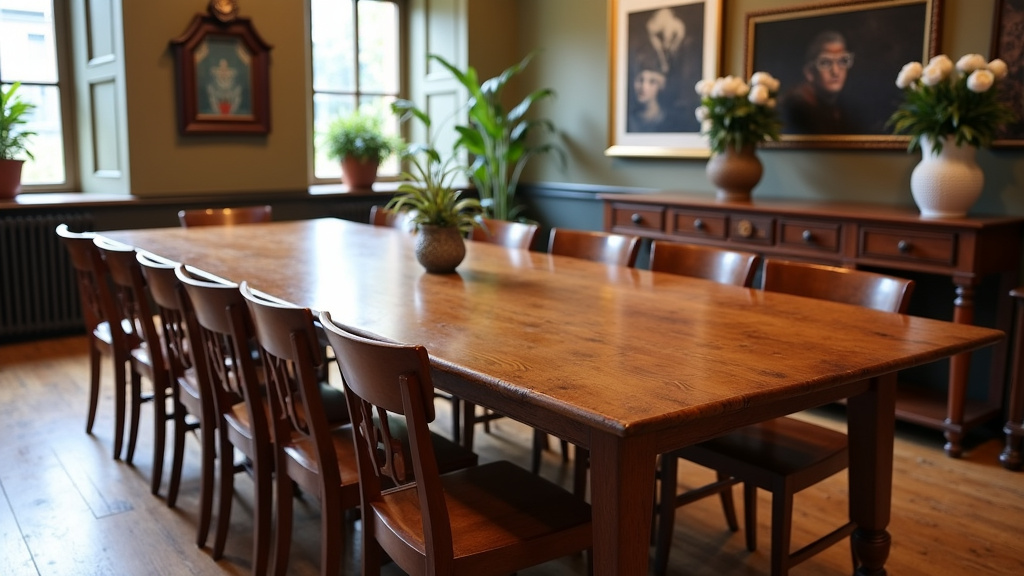
At its core, a refectory table is a long, rectangular table built to seat many people. It’s known for its robust construction and simple, functional design. Think of it as the dining table that’s always ready for a crowd.
Key Features That Define It
Most refectory tables share a few key traits. They are typically longer than standard dining tables, often extending six to ten feet. The legs are usually straight and sturdy, supporting a thick tabletop made from solid wood.
You might also see features like a trestle base or a single pedestal. This design allows for flexible seating without legs getting in the way. It’s a smart solution for fitting more chairs around the table.
The Origins of Refectory Tables
The story begins in the Middle Ages. We found that refectory tables were first used in monastery refectories—dining halls for monks. The name itself comes from the Latin word “reficere,” meaning to restore or refresh.
These tables were built to last for centuries. Monks needed furniture that could handle daily use by large groups. The design was passed down through generations of craftsmen.
From Monasteries to Modern Homes
Over time, the style moved beyond religious settings. By the 16th and 17th centuries, refectory tables appeared in country homes and taverns. They became a symbol of hospitality and gathering.
In the 20th century, designers rediscovered the table’s appeal. It fit perfectly with the trend toward rustic and farmhouse decor. Today, it’s a staple in both traditional and modern dining spaces.
Common Uses Today
While still great for dining, refectory tables serve many purposes. You’ll often see them as kitchen worktables or home office desks. Their length provides ample space for projects or spreading out documents.
In commercial settings, they’re popular in restaurants and cafes. They create a communal, social atmosphere that diners enjoy. Many interior designers recommend them for fostering connection.
In Dining Rooms and Beyond
As a dining table, a refectory table is ideal for families who love to host. It can comfortably seat six to twelve people, depending on its length. The design encourages conversation by seating everyone along one side.
Beyond dining, you might place one in a foyer as a console table. Or use it in a living room as a large coffee table. Its versatility is one of its greatest strengths.
Materials and Construction
Traditional refectory tables are made from hardwoods like oak, walnut, or pine. These materials ensure durability and a classic look. You’ll often find visible joinery, like mortise and tenon, which adds to their charm.
Modern versions might incorporate metal frames or reclaimed wood. This blend of materials can create a more contemporary feel. The key is maintaining that sense of sturdiness and simplicity.
Wood, Metal, and More
Wood is the most common choice, offering warmth and longevity. Metal bases can provide an industrial edge. Some tables even feature stone or marble tops for a luxurious twist.
We found that the construction quality really matters. A well-made refectory table can last for generations. It’s often worth investing in solid craftsmanship over cheaper alternatives.
Choosing the Right Refectory Table
When shopping for a refectory table, consider your space first. Measure your room to ensure the table fits with enough clearance for chairs. A good rule is to leave at least three feet around the table for movement.
Style is another factor. Do you prefer a rustic farmhouse look or a sleek, modern design? The table should complement your existing decor. Remember, it’s often the centerpiece of the room.
Size and Style Considerations
Size is critical. A table that’s too large can overwhelm a small room. One that’s too small won’t serve its purpose. Think about how many people you’ll regularly seat.
Style-wise, look at the details. The leg design, wood finish, and edge profile all matter. You want a table that feels right for your home’s aesthetic.
Care and Maintenance Tips
Protecting your investment is simple with regular care. Use coasters and placemats to prevent scratches and stains. Avoid placing hot dishes directly on the wood surface.
Clean the table with a soft, damp cloth. For deeper cleaning, use a mild soap solution. Always dry it immediately to avoid water damage.
Long-Term Upkeep
Every few years, consider refinishing the table to refresh its look. This involves sanding and applying a new coat of varnish or oil. It’s a project that can restore the table’s original beauty.
We found that consistent care keeps the table looking great. It’s a piece that can become a family heirloom with proper attention.
Refectory Tables vs. Other Dining Tables
How does a refectory table differ from a standard dining table? The main difference is length and seating capacity. Standard tables are usually shorter and may have legs that limit seating.
Another contrast is with farmhouse tables. While similar, farmhouse tables often have a more rustic, country-style design. Refectory tables tend to be longer and simpler in form.
A Quick Comparison
To help you visualize, here’s a table comparing key features:
| Feature | Refectory Table | Standard Dining Table | Farmhouse Table |
|---|---|---|---|
| Typical Length | 6-10 feet | 4-6 feet | 5-7 feet |
| Seating Capacity | 6-12 people | 4-8 people | 6-10 people |
| Design Style | Simple, elongated | Varied | Rustic, country |
| Common Use | Communal spaces | Everyday dining | Casual dining |
Is a Refectory Table Right for You?
Ask yourself a few questions. Do you host large gatherings often? Is space for
Conclusion
A refectory table brings together history, function, and style in one sturdy piece. We found its design originated in monasteries for communal meals, and it remains perfect for bringing people together today. Whether for a large family, regular dinner parties, or even a spacious work surface, its long form and solid build are hard to beat. It’s a choice that favors conversation and connection.
Before you buy, measure your space and think about how many people you’ll seat. You’ll want a table that fits comfortably and feels like a natural part of your room. A quality refectory table can become the heart of your home for decades.
Frequently Asked Questions
How do I know what size refectory table fits my room?
Measure your room’s length and width first. You need at least 36 inches of clearance around the table for chairs and walking. For example, a 10-foot table works best in a room that is at least 14 feet long.
Can I mix a refectory table with modern chairs?
Absolutely. The simple, clean lines of a refectory table make it very versatile. Pairing it with modern chairs creates a stylish, eclectic look that feels intentional and current.
Are refectory tables more expensive than standard dining tables?
They can be, primarily due to their size and the amount of solid wood used. However, prices vary widely. We found that investing in a well-made table often means better longevity and value over time.
Is this table type suitable for young children?
The sturdy, solid construction is very family-friendly. Its length allows kids and adults to sit comfortably without crowding. Just be sure the corners are not overly sharp and apply a durable finish to resist scratches.
Do most refectory tables come assembled?
Many are sold partially assembled due to their large size, with legs that need attaching. It’s a task you can often do yourself with basic tools, but always check the delivery details with the seller first.