What Is a Dining Nook? The Layout, Explained
Defining the Cozy Corner: What Exactly Is a Dining Nook?
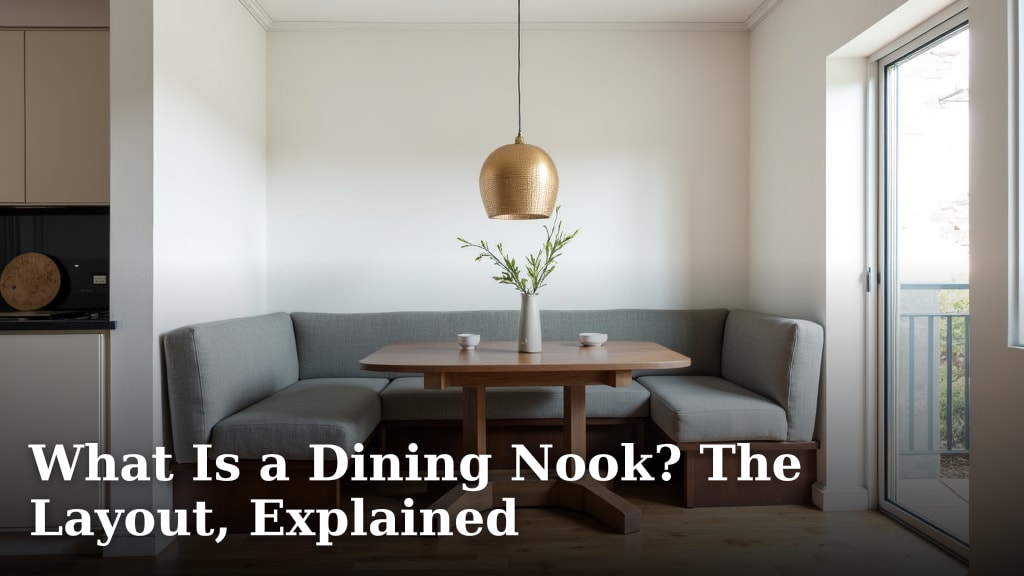
A dining nook is a small, dedicated eating area, often built into a corner or a small alcove of your home. It’s more than just a table and chairs; it’s a defined, intimate space designed for meals and conversation. Think of it as a cozy hug for your dining routine.
Unlike a formal dining room, a nook uses compact furniture and smart layout to create a welcoming spot. It’s perfect for daily breakfasts, casual family dinners, or chatting over coffee. The key is its efficient use of space and its cozy, enclosed feeling.
The Essential Layout Components of a Nook
Every great dining nook is built on a few core elements working together. Getting these right is the difference between a tight squeeze and a comfortable retreat. We found that these components consistently define the best nooks.
Seating: The Foundation of Comfort
Seating is the heart of your nook’s layout. The goal is to maximize seating without overwhelming the space. This is where smart, space-saving designs truly shine.
Built-in Benches vs. Freestanding Chairs
Benches are the classic nook choice. A built-in banquette tucked into a corner provides stable, anchor seating. You can often add storage underneath, which is a huge plus in small kitchens. Freestanding chairs offer flexibility and are easier to move or replace. Many designers suggest a mix: a bench on two walls with chairs on the open sides for balance.
Upholstery and Ergonomics Matter
Even a cozy spot should support good posture. Choose benches or chairs with proper back support. Cushions should be firm enough to provide comfort for the duration of a meal. The height of the seat should allow your feet to rest flat on the floor, with knees bent at about a 90-degree angle (Mayo Clinic).
Tables: The Right Fit is Everything
The table must fit the footprint of your nook without blocking pathways. A round or square table works best in tight spaces, as it eliminates sharp corners and improves traffic flow. For a rectangular bench setup, an oval table is a great, soft-edged alternative.
Sizing Guidelines
Allow about 24 inches of table width per person. Ensure there is at least 36 inches of clearance to walk behind any chairs. If your nook is in a kitchen, you’ll need enough room to pull out chairs and still open cabinets or appliances comfortably.
Lighting: Setting the Mood
Proper lighting makes your nook feel intentional and inviting. A pendant light or a small chandelier hung directly over the center of the table creates a focal point and defines the space. This is called task lighting, and it makes the area feel separate from the rest of the room. Dimmable lights are a fantastic option for transitioning from bright breakfast to relaxed dinner ambiance.
How a Nook Differs from Other Dining Spaces
It’s easy to confuse a nook with other dining areas. Understanding the differences helps you plan your own. Here’s a quick breakdown.
| Feature | Dining Nook | Formal Dining Room | Kitchen Island |
|---|---|---|---|
| Primary Purpose | Intimate, daily meals & conversation | Special occasions & formal entertaining | Quick meals & socializing during cooking |
| Layout Style | Built-in, compact, corner-focused | Freestanding, centralized, formal | Integrated, open, bar-style seating |
| Atmosphere | Cozy, casual, space-efficient | Spacious, elegant, traditional | Casual, interactive, high-traffic |
A dining nook is unique because it prioritizes intimacy and space efficiency over formality. It’s a dedicated eating zone that feels special, even if it’s just a few feet from your kitchen.
Creating Your Nook: Layout Tips for Common Spaces
You can create a functional nook in many different areas of your home. The layout adjustments depend on where you’re starting.
The Corner Nook
This is the most common and efficient use of space. An L-shaped bench fits perfectly into a corner, with the table in front. Add a chair or two to the open side. This layout provides ample seating and a strong sense of enclosure. A round table here is particularly effective.
The Alcove or Bay Window Nook
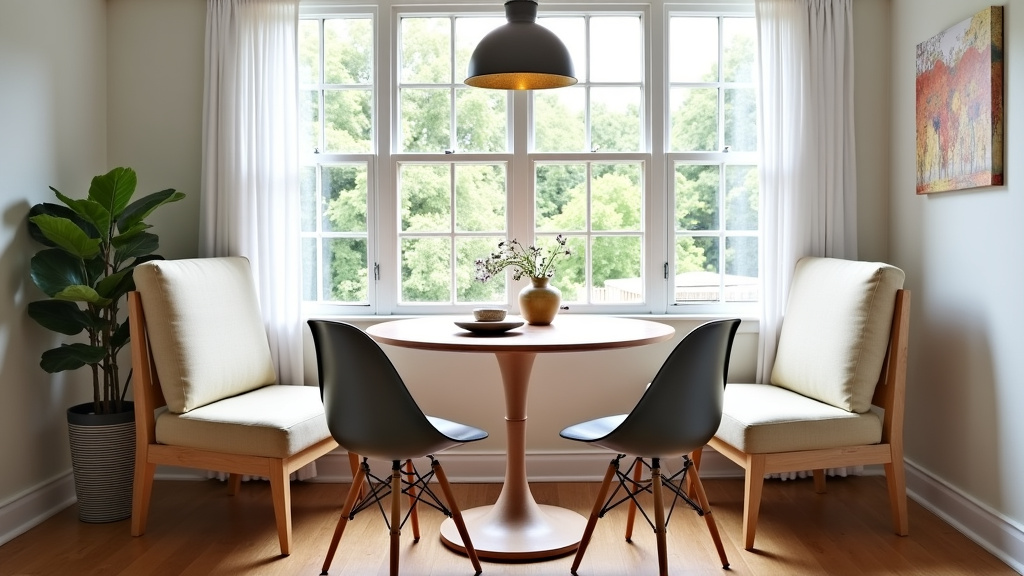
An architectural alcove or bay window is a gift for nook designers. The existing structure naturally defines the space. You can build a custom bench to fit the exact dimensions. This makes the nook feel like a seamless, built-in part of your home’s architecture.
The Freestanding Nook
What if you don’t have a corner or alcove? You can still create a nook feel in an open area. Use a rug to visually define the floor space. Position a bench or a set of chairs to create a clear boundary. A console table or a tall plant behind the seating can also help signal that this is a distinct zone.
Decorating and Personalizing Your Space
Once the layout is set, you make the nook truly yours with decor. This is where comfort and style come together. The goal is to enhance the cozy, intimate feeling.
Start with textiles. Choose durable, wipeable cushions and seat pads for practicality. Add a throw blanket over the back of the bench for texture and warmth. A small, vibrant area rug under the table anchors the space and adds personality.
Wall decor is crucial in a small space. One piece of art or a collection of small frames on the wall behind the bench creates a focal point. Mirrors can make a tight nook feel larger and brighter by reflecting light. Don’t forget a small centerpiece for the table—something low enough that it doesn’t block conversation across the table.
Is a Dining Nook Right for Your Home? A Quick Checklist
Not sure if you have the space or need? Use this simple checklist to decide. If you answer “yes” to a few of these, a nook might be your perfect solution.
- Do you have an unused corner, a small wall bump-out, or an empty bay window?
- Do you wish you had a dedicated spot for casual daily meals?
- Is space at a premium, making a full dining room table impractical?
- Do you like the idea of a cozy, conversation-focused eating area?
- Are you looking for a way to add functional seating without major renovation?
- Would you enjoy the process of designing a compact, efficient, and stylish area?
If you found yourself nodding along, it’s time to measure that corner and start dreaming. A well-planned dining nook can become the heart of your home’s daily life.
Conclusion
A dining nook is your home’s dedicated spot for cozy, efficient daily meals. It blends smart seating, a perfectly sized table, and focused lighting to create an intimate retreat. You’ve learned how to adapt the layout to corners, alcoves, or even open spaces, and how to personalize it with simple decor. Now, put this to use: measure that empty corner, refer to the checklist, and start sketching your nook design. Your new favorite spot for coffee and conversation is just a plan away.
Frequently Asked Questions
What shape table works best in a small dining nook?
Round or square tables are often ideal because they have no sharp corners, improving traffic flow in tight areas. For rectangular bench setups, an oval table provides a soft-edged alternative. Always measure your space first to ensure at least 36 inches of walkway clearance.
How can I make a dining nook feel cozy on a budget?
Start with inexpensive textiles like washable seat cushions and a throw blanket for texture. A small area rug under the table can anchor the space affordably. Adding one piece of art or a mirror on the wall will also enhance the inviting atmosphere.
Is a dining nook practical for a family with young kids?
Yes, it can be very practical. Choose durable, wipeable fabrics for cushions and benches. Built-in benches with storage underneath are great for stashing toys or linens. The compact layout often makes it easier to supervise meals and keep an eye on little ones.
How do I define a dining nook in an open-concept living area?
Use a distinct area rug under the table and chairs to visually separate the zone. Position the seating, like a bench against a wall or a sofa back, to create a clear boundary. A pendant light hung directly above the table also helps mark it as a dedicated dining spot.
What’s the difference between a dining nook and a breakfast bar?
A dining nook is a separate, defined eating area with its own table and seating, often in a corner or alcove. A breakfast bar is typically a counter extension in the kitchen with bar-style stools. Nooks focus on intimate meals, while bars are for quick bites and socializing while cooking.