What Is a Nesting Table? How the Sets Work
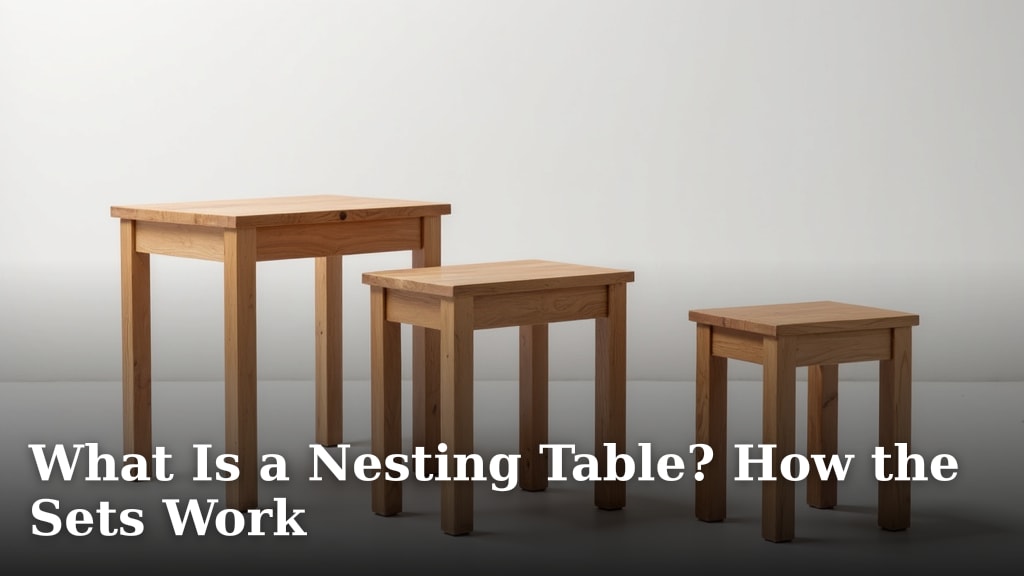
A nesting table set is a collection of smaller tables designed to tuck neatly under a larger one. This smart design helps you save space and offers flexible surfaces when you need them. You can easily pull them out for guests or tuck them away when not in use.
These versatile pieces are a popular choice for small apartments or any home looking for smart storage solutions. They can function as side tables, accent tables, or even extra seating when needed. Many shoppers find them a practical and stylish addition to their living room or bedroom decor.
- Nesting tables are tables that fit under each other.
- They are great for saving space in your home.
- You can use them for extra surfaces or seating. You can use them for extra surfaces or seating, and our guide to table length per person can help you plan.
- They come in many styles and materials.
- They offer flexible use for different needs.
Ready to see how these clever sets work and how they can benefit your home? Let’s walk through exactly what makes them so useful.
Understanding How Nesting Tables Work
Nesting tables are essentially a set of smaller tables designed to fit neatly underneath a larger table. Think of them like Russian nesting dolls, but for furniture. This clever stacking feature makes them incredibly useful. You get multiple surfaces when you need them, but they take up very little space when not in use.
The Core Concept: Stacking for Space
The primary benefit is space-saving efficiency. You can arrange the tables in various ways. Typically, you’ll have a large table as the base. Then, one or more smaller tables are tucked underneath its surface. This allows you to have extra table space available at a moment’s notice. It’s a fantastic solution for smaller homes or apartments.
Imagine you’re hosting a party. You might use the largest table as a coffee table. When guests arrive, you can pull out the smaller tables. They can serve as side tables for drinks or snacks. Once the guests leave, you simply slide them back under the main table. This keeps your living area tidy and uncluttered.
Components of a Nesting Table Set
Most nesting table sets consist of at least three pieces. There’s usually a larger, primary table. This is often the tallest and widest piece. Then, you have two or more smaller tables. These are designed to slide smoothly under the larger one.
The dimensions are key here. The smaller tables are intentionally made shorter and narrower than the one above them. This ensures they can fit without obstruction. The design accounts for legs and any overhang of the table surface. It’s a carefully thought-out arrangement.
Table Sizes and Proportions
The difference in size might seem small, but it’s crucial for functionality. The largest table might be around 20 inches high. The next size down could be 18 inches high. The smallest might be 16 inches high. This tiered approach allows them to nest effectively.
Think about how you’d use them. You might want the largest table at a standard coffee table height. The smaller ones could then be perfect accent tables. They can sit beside a sofa or armchair. The exact sizes vary by manufacturer and style, of course. Always check the product dimensions before buying.
How They Stack: Design and Engineering
The engineering behind nesting tables is quite simple yet effective. Each table is designed to stand independently. However, their legs and overall structure are made to accommodate the tables below. There are no special mechanisms needed.
The legs are often designed with a slight inward angle. This helps them tuck away more neatly. Some designs feature very slim legs. Others might have a more solid pedestal base. Regardless of the leg style, the goal is always to allow the tables to nest without bumping into each other.
Leg Room and Clearance
A key consideration is leg room. When you pull out a smaller table, you need space to use it comfortably. Manufacturers ensure there’s enough clearance between the legs of the larger table. This prevents the smaller tables from feeling cramped.
Similarly, when nested, the legs of the upper table shouldn’t interfere with the surface of the table below. It’s a balance of stability and compact storage. You’ll find that most designs achieve this balance well. This allows for easy pull-out and tuck-away actions.
Exploring Different Nesting Table Styles
Nesting tables aren’t just functional; they’re also stylish. You can find them in a wide variety of materials and designs. This means you can choose a set that perfectly matches your home’s decor. Whether you prefer modern, traditional, or rustic styles, there’s likely a nesting table set for you.
Material Options and Their Benefits
The materials used can greatly impact the look and feel of the tables. Common materials include wood, metal, glass, and engineered wood. Each offers different advantages.
- Wood: Offers warmth and classic appeal. Oak, walnut, and pine are popular choices. Wood can be painted or stained to match existing furniture.
- Metal: Often used for legs or the entire table frame. It provides a modern or industrial look. Iron, steel, and aluminum are common. Metal tables are usually durable and easy to clean.
- Glass: Typically used for table tops. Glass gives a sense of openness and light. It’s easy to wipe down but can show fingerprints.
- Engineered Wood: This includes MDF and particleboard. It’s often used with a veneer or laminate finish. It’s a more budget-friendly option and can mimic the look of real wood.
Common Design Configurations
Beyond the basic three-piece set, you’ll find variations. Some sets have tables that are all the same shape, like squares or circles. Others have tables with different shapes that interlock visually when nested.
You might also see sets with varying heights and depths. Some are designed to be very low and spread out. Others are taller and more compact. The configuration is often dictated by the intended use and the overall aesthetic.
Round vs. Square vs. Rectangular Tops
The shape of the table tops is another design element. Round nesting tables can soften a room. They often feel more conversational. Square and rectangular tables tend to offer a cleaner, more modern look. They can be easier to place against a wall or sofa.
Consider the space you have. A round set might fit well in a tight corner. Rectangular tables could be ideal along a long sofa. Some sets even feature a mix of shapes, adding visual interest.
Matching Your Home’s Aesthetic
When choosing a set, think about your existing furniture. Do you have dark wood pieces? A dark wood nesting table set would blend in well. If your decor is light and airy, consider a white or glass-topped set.
The style of the legs also matters. Thin, hairpin legs scream mid-century modern or industrial. Chunky, carved legs lean towards traditional or farmhouse styles. The right set can act as a beautiful accent piece. It pulls the whole room together.
Practical Applications for Nesting Tables
So, how do nesting tables actually function in a home? They’re incredibly versatile. Their primary role is providing extra surface area when you need it. But their uses go beyond just holding drinks.
Living Room Essentials: Beyond the Coffee Table
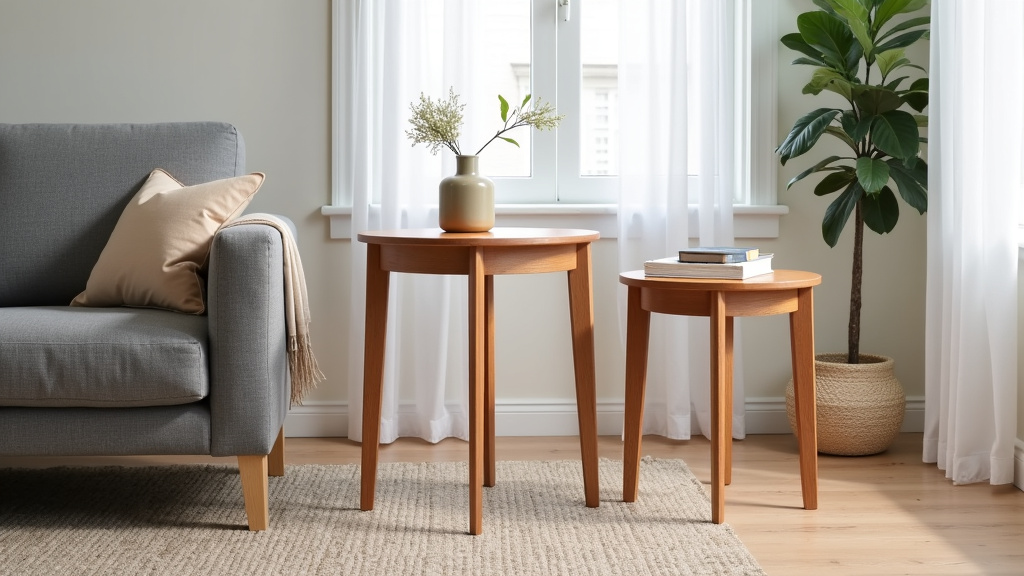
In the living room, nesting tables are often used as alternatives to a traditional coffee table. The largest table sits in front of the sofa. The smaller ones can be pulled out to hold remotes, books, or snacks.
They can also flank a sofa or armchair. Instead of one large side table, you have a small stack. This provides a dynamic look. You can pull out a table when you need it for your cup of tea or a lamp. This keeps the main area clear.
Bedroom and Beyond: Small Space Solutions
Nesting tables are excellent in bedrooms. A small set can sit beside a bed. This gives you a surface for a lamp, your phone, and a glass of water. They are much more compact than a full-sized nightstand.
In a hallway or entryway, a small nesting table can be a stylish console. You can place a decorative item on the top table. The smaller tables can hold keys or mail. It makes your entrance more functional and welcoming.
Maximizing Small Spaces
For people living in apartments or studios, every inch counts. Nesting tables are a lifesaver. They offer the functionality of multiple tables without the bulk. This allows you to create different zones in a small room. You can have a clear walkway and still have surfaces for everyday items.
We found that shoppers in smaller homes particularly appreciate the flexibility. They can arrange the tables for entertaining one day. Then, tuck them away the next to create more open floor space. It’s a smart way to live efficiently.
Temporary Seating or Display Stands
While not their primary purpose, the sturdier tables in a set can sometimes serve as temporary seating. This is more common with solid wood or metal sets. Always check the weight capacity before considering this. It’s a useful option when you have unexpected guests.
They can also be used as display stands. You might set up a small plant on one table and a framed photo on another. This creates a tiered display. It adds visual interest to a corner or a larger room.
Checklist: Are Nesting Tables Right for You?
- Do you need extra surface space that can be easily hidden?
- Is your living space on the smaller side?
- Do you often host guests and need flexible seating or tables?
- Are you looking for a stylish way to organize small items?
- Do you appreciate furniture that offers multiple uses?
- Do you like the idea of a tidy, uncluttered home?
Conclusion
You’ve seen how nesting tables offer a smart blend of style and function. They are a fantastic solution for maximizing your living space. Their ability to tuck away neatly keeps your home tidy. When you need them, they provide instant extra surface area. Whether you’re in a small apartment or just want more flexibility, these sets deliver. Consider your space and style needs to find the perfect set. Your next step is to browse options and imagine how they’ll transform your home.
Frequently Asked Questions
How many tables are usually in a nesting table set?
Most nesting table sets come with at least three pieces. You’ll typically find one larger table and two or more smaller ones designed to fit underneath it. The exact number can vary by style and manufacturer, so always check the product details.
Can nesting tables be used as primary dining tables?
Nesting tables are generally not designed for dining. They are best suited for use as side tables, accent tables, or temporary surfaces for drinks and snacks. Their smaller size and lower height make them unsuitable for a main dining setup.
What is the weight capacity of nesting tables?
Weight capacity varies greatly depending on the materials and construction of the tables. Sturdier sets made of solid wood or metal can often hold more weight. It’s important to check the manufacturer’s specifications for each set before placing heavy items on them or using them for seating.
Are nesting tables difficult to assemble?
Assembly for nesting tables is usually straightforward. Many sets require minimal assembly, often just attaching the legs. Instructions are typically clear and easy to follow. You likely won’t need any special tools for most models.
Can I buy individual nesting tables if I lose one?
It can be difficult to purchase individual nesting tables to replace a lost piece. Sets are designed to work together, so finding a perfect match might be challenging. Your best bet is usually to contact the manufacturer directly to see if replacement parts are available.