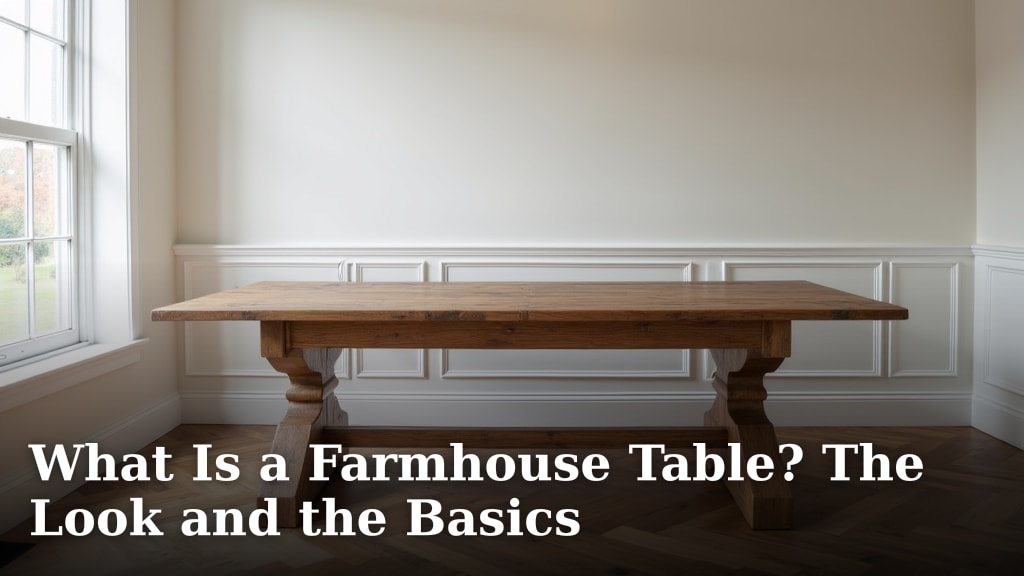
What Is a Farmhouse Table? The Look and the Basics
Defining the Farmhouse Table: More Than Just a Style
At its heart, a farmhouse table is a **sturdy, functional dining table** designed for everyday family use. Think of it as the reliable workhorse of your dining room. It’s built to handle everything from messy crafts to big holiday dinners. This isn’t a delicate, formal piece. It’s meant to be used, lived with, and maybe even slightly imperfect over time. You’re looking for a table that feels like the cozy center of your home.
We found that the core idea comes from traditional farm kitchens. Back then, tables had to serve many purposes: eating, food prep, and even homework. They were built from what was available and made to last generations. Today’s farmhouse tables capture that same spirit of **durability and casual hospitality**.
The Signature Look: What Makes It a Farmhouse Table?
So, what does this table actually look like? It’s not a single rigid design, but it has a few key features that most people recognize immediately. The overall feel is warm, inviting, and unfussy. It’s the kind of table that welcomes you to sit down, rest your elbows, and stay awhile.
The Wood Grain and Finish
The most common material is **solid wood**—think pine, oak, maple, or reclaimed lumber. You’ll often see a natural or lightly stained finish that shows off the wood’s grain and knots. This celebrates the material’s character, flaws and all. A distressed or weathered look is very popular, giving the table instant warmth and a sense of history. It doesn’t have to look brand-new to be perfect; in fact, a little wear often adds to its charm.
Simple, Sturdy Construction
Farmhouse tables avoid fancy, ornate legs. Instead, you’ll typically see one of two types: solid, squared-off legs or a pedestal base. The focus is on stability. The top is usually thick and substantial, promising it can handle a heavy turkey or a stack of board games without a wobble. Many experts point to the use of **traditional joinery**, like mortise-and-tenon or sturdy trestle bases, as a mark of quality in these tables (Wood Magazine).
Common Leg Styles
- Square Legs: Often with a simple taper or straightforward design. Very classic.
- Trestle Base: Features a horizontal support connecting two pedestal-like legs. Great for maximizing seating space.
- Chunky Pedestal: A single, thick central pedestal with feet or braces. Offers a clean, open look.
The Expanding Capability
Because they’re built for family gatherings, many farmhouse tables are designed to expand. Look for a **leaf extension** system—a removable piece you can add to the center or ends to make the table longer. Some use a butterfly leaf that folds and stores inside the table itself. This practical feature is a hallmark of the style, ensuring your table grows with your needs.
Materials and Styles: Not Just One Way
The “farmhouse” label covers a surprisingly wide range of styles. It can blend with modern, traditional, or rustic decor. The main material choices will set the tone for your entire dining room.
| Material | Look & Feel | Considerations |
|---|---|---|
| Solid Wood (Pine, Oak) | Warm, classic, shows natural grain and knots. The traditional choice. | Can be softer (pine) and prone to dents. Oils and scratches often add to the patina. |
| Reclaimed Wood | Ultra-rustic with unique history, nail holes, and weathering. Every piece is one-of-a-kind. | More expensive. May have minor imperfections in size or shape, which is part of its story. |
| Wood with Painted Base | Combines a natural wood top with painted legs (white, gray, black are popular). Offers more contrast. | Provides a lighter, airier feel. Good for blending farmhouse style with other color schemes. |
| Barnwood or Weathered Wood | Highly textured, with a gray, aged appearance from natural weathering or treatment. | Makes a strong rustic statement. Best for cabins, cottages, or industrial-inspired spaces. |
How to Choose the Right One for You
Finding the perfect farmhouse table is about balancing **style, size, and function**. Don’t just grab the first one you see that looks pretty. Ask yourself some key questions before you buy.
Measure Your Space First
This sounds obvious, but it’s the most important step. You need enough room to pull chairs out and walk around the table comfortably. A good rule of thumb is to leave at least **36 inches** of clearance between the table edge and a wall or other furniture. Also, consider how many people you need to seat daily versus on special occasions.
Sizing Guide for Comfort
For each person, plan on about **24 inches of table width** and **15 inches of depth** along the side. A table that’s 36 inches wide can comfortably seat 6 people. Need to fit 8? You’re likely looking at a table 42-48 inches wide. Remember, the pedestal base or trestle legs often give you more flexibility with chair spacing than thick corner legs.
Think About Your Daily Life
How will you really use this table? If you have young kids or pets, a heavily distressed or painted finish might hide scratches better than a pristine, glossy one. If you work from home and use the table as a desk, a surface that can handle heat from a coffee mug and resist pen marks is key. Don’t just think about aesthetics—think about **your real-world needs**.
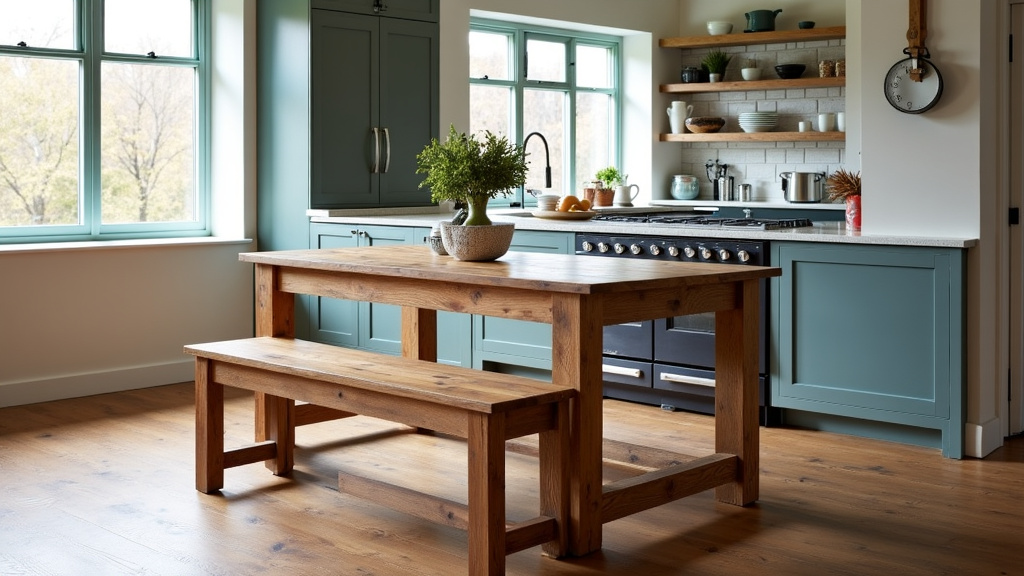
The Checklist: Your Farmhouse Table Buying Guide
Take this quick list with you when you shop, either online or in person. It’ll help you cut through the hype and find a table that’s truly right for you.
- Measure Twice: Know your space’s dimensions and the required clearance for comfortable movement.
- Inspect the Joinery: Look for sturdy construction. Wiggle the table gently—no one wants a wobbly dinner.
- Check the Finish: Does it match your tolerance for wear and tear? Ask about care and maintenance.
- Plan for Growth: Decide if you need an expandable table with a leaf for holidays.
- Seat Test: If possible, bring a chair or two to the store to test height and legroom comfort.
- Trust Your Gut: This table will be in your home for years. It should feel right to you.
Bringing It Home: Why This Table Endures
The farmhouse table isn’t just a trend; it’s a style rooted in practicality. Its enduring appeal comes from its honesty. It’s not pretending to be something it’s not. It’s a solid, useful piece that **gathers people together**. In a world of fast furniture, a well-made farmhouse table is a statement. It says you value things that last, that have character, and that are meant to be used—not just admired.
We found that its versatility is its superpower. You can pair it with modern acrylic chairs for a fresh contrast or with classic Windsor chairs for a timeless look. It adapts to your life, not the other way around. Whether you’re hosting a big family dinner or just eating cereal on a Tuesday morning, this table is ready for it all. It’s more than furniture; it’s the backdrop for your daily life.
Conclusion
A farmhouse table is fundamentally a practical, durable piece built for real life. It centers on sturdy wood, simple construction, and a welcoming look that values character over perfection. This style blends seamlessly into many decors because its focus is on function and gathering, not rigid trends. Remember to prioritize measurements and your daily needs when choosing one.
Your next step is simple: take the measurements of your dining space and picture where you’d place the table. With those numbers in hand, you can shop with confidence, knowing exactly what size and style will fit your home and your life.
Frequently Asked Questions
How do I care for and clean a farmhouse table?
For daily cleaning, use a soft, damp cloth and wipe up spills promptly. Avoid harsh chemicals or abrasive cleaners that can damage the finish. We recommend using placemats or trivets for hot dishes. Many experts suggest using a quality furniture polish or wax periodically to protect the wood, especially if it has a natural or oiled finish.
Are farmhouse tables only for rustic or country-style homes?
Not at all. A farmhouse table is surprisingly versatile. A table with a painted white base and a natural wood top can feel light and airy, fitting well in a coastal or modern cottage. A darker, more industrial-styled farmhouse table can complement contemporary or urban lofts. The key is its simple, solid form, which adapts to its surroundings.
What’s the typical price range for a solid wood farmhouse table?
Prices vary widely based on wood species, size, craftsmanship, and whether it’s new or vintage. You might find a basic, smaller pine table for a few hundred dollars. For a solid oak or maple table from a reputable furniture maker, expect to invest anywhere from $1,500 to $4,000 or more. High-end custom or reclaimed wood pieces can cost significantly higher.
How can I style a farmhouse table for a more modern look?
Pair the rustic table with sleek, modern dining chairs, like acrylic or metal ones. Use a minimalist, monochromatic table runner or placemats instead of a floral pattern. Add a centerpiece of simple, geometric vases or a single sculptural object. The contrast between the warm, textured table and clean-lined accessories creates a balanced, contemporary feel.
Is a farmhouse table a good choice for a small dining area?
Yes, especially if you choose the right design. A table with a trestle or pedestal base frees up floor space and allows for more legroom. Look for a slightly smaller width and consider an extendable model for flexibility. We advise measuring carefully first. Leaving proper clearance (at least 36 inches) around the table is crucial for comfort in a smaller room.